The Heritage
The Story of Maison Violet
Maison Violet is a Paris‑based niche perfume house that bridges a nearly two‑century legacy with contemporary creativity. The label revives recipes first crafted in the 1800s while offering modern releases such as Rivage (2025) and Nuée Bleue (2019). Its catalogue mixes marine, floral and amber tones, reflecting a commitment to narrative scent making that honors French perfumery heritage without relying on mass‑market formulas.
Heritage
The original Violet perfumery opened its doors in Paris in 1827, founded by François‑Étienne Violet. Early records show the house secured several cosmetics patents during the mid‑19th century, positioning it among the innovative ateliers of the era. For decades the workshop supplied scented soaps and eaux de cologne to Parisian boutiques, earning accolades at regional exhibitions. By the mid‑20th century the family business had ceased operations, and the brand lay dormant for more than fifty years. In 2016 three students from the École Supérieure du Parfum—Anthony, Julien and Thomas—took over the historic name, initially as a research project that explored the old archives. Their effort culminated in a public relaunch in 2018, when Maison Violet re‑emerged as a niche fragrance house that re‑interpreted the original 19th‑century formulas for a modern audience. The revival was supported by collaborations with contemporary noses, including Nathalie Lorson, who helped translate the historic scents into today’s language. Since then the house has introduced a steady stream of releases, each referencing a specific chapter of its past while exploring new olfactory territories. The brand’s story illustrates how a dormant heritage can be resurrected through scholarly research, youthful ambition, and a respect for the craft that defined its origin.
Craftsmanship
Production at Maison Violet follows a small‑batch model that allows close monitoring of each step. Raw materials are sourced from established growers in Grasse, the Balkans and the Indian Ocean, with a preference for natural absolutes and ethically harvested synthetics. The house maintains a partnership with a historic Parisian laboratory that still uses copper stills for distillation, a technique documented in the original Violet patents. Formulations are drafted in collaboration with perfumers who study the archived recipes, then tested in a controlled environment to ensure stability and scent fidelity. Quality control includes blind panel evaluations and analytical chromatography to verify ingredient purity. The brand also employs a manual bottling line, which reduces mechanical stress on the fragrance and preserves its nuanced character. Packaging components—glass, caps and labels—are sourced from French manufacturers that meet strict environmental standards, reinforcing the house’s commitment to responsible production. This blend of historic techniques and modern quality assurance creates a tactile and olfactory experience that feels both timeless and precise.
Design Language
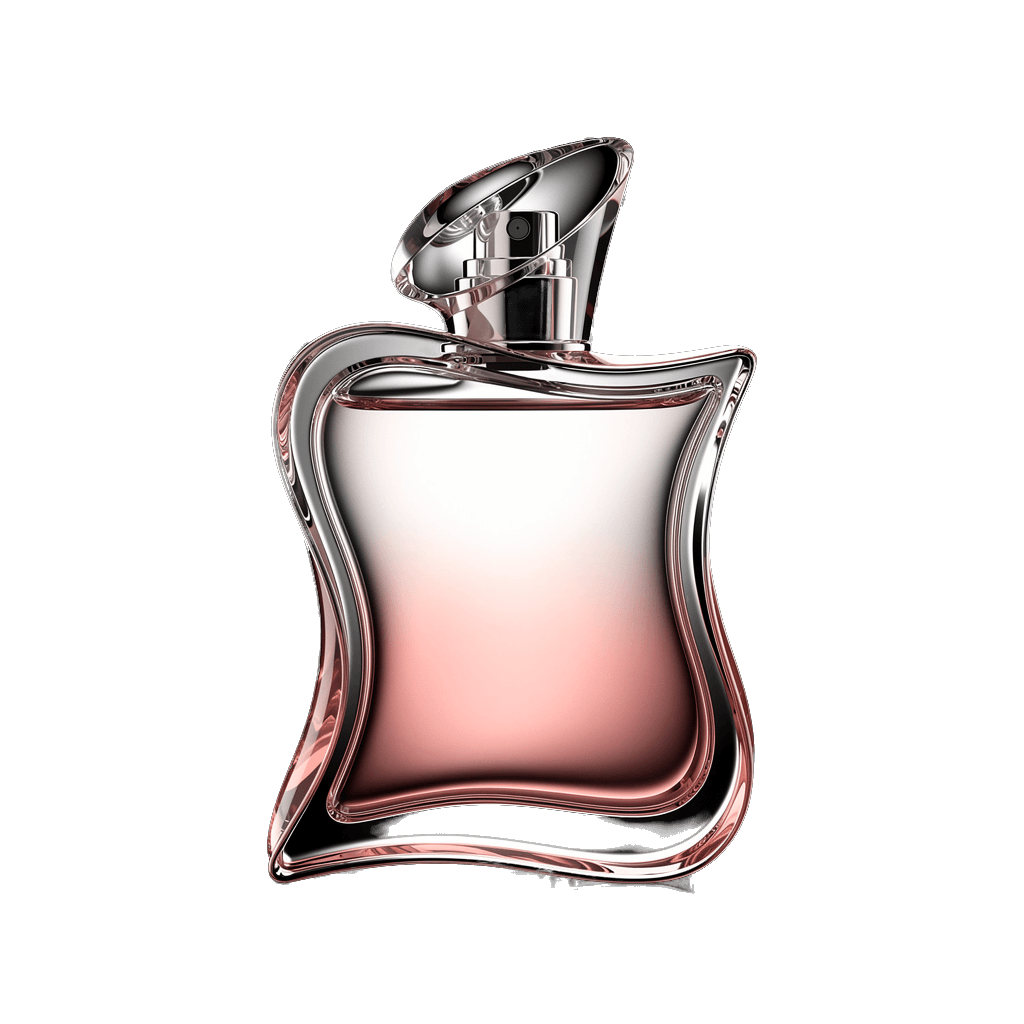
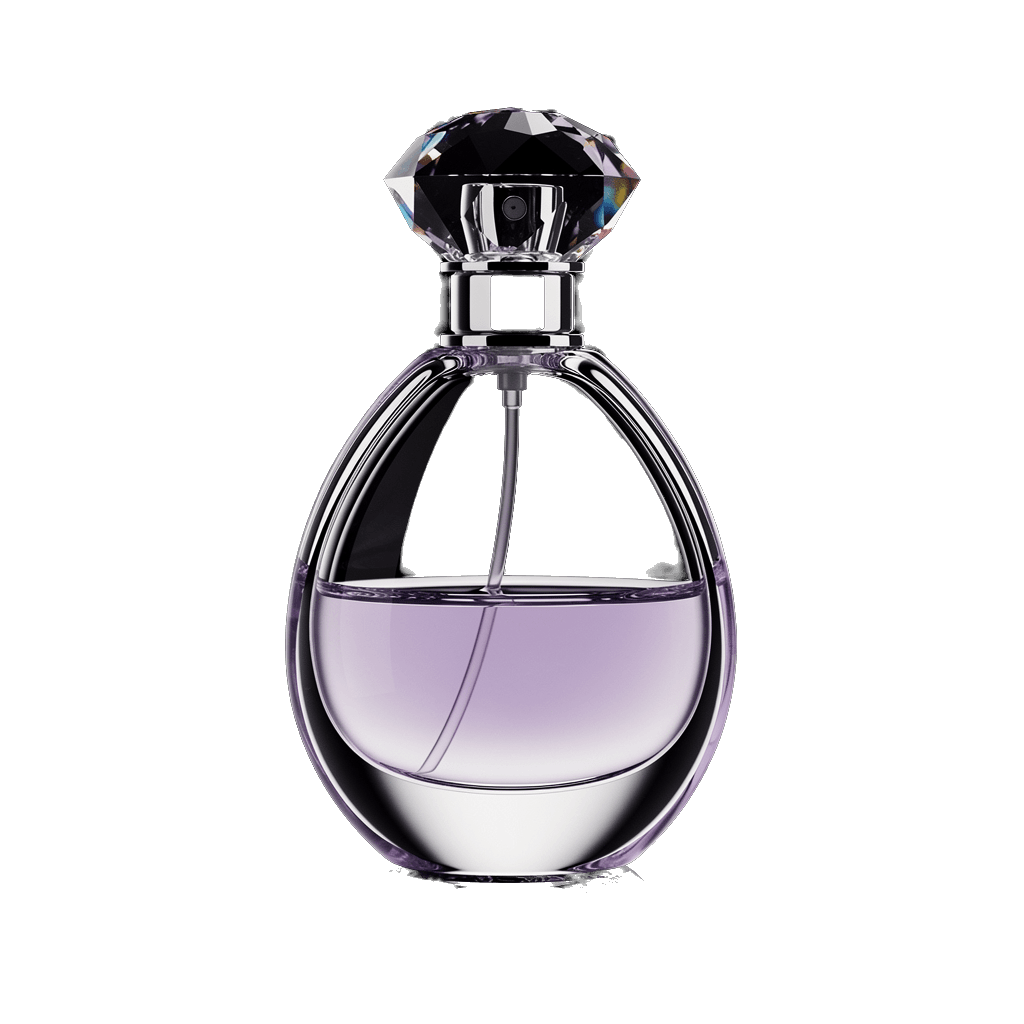
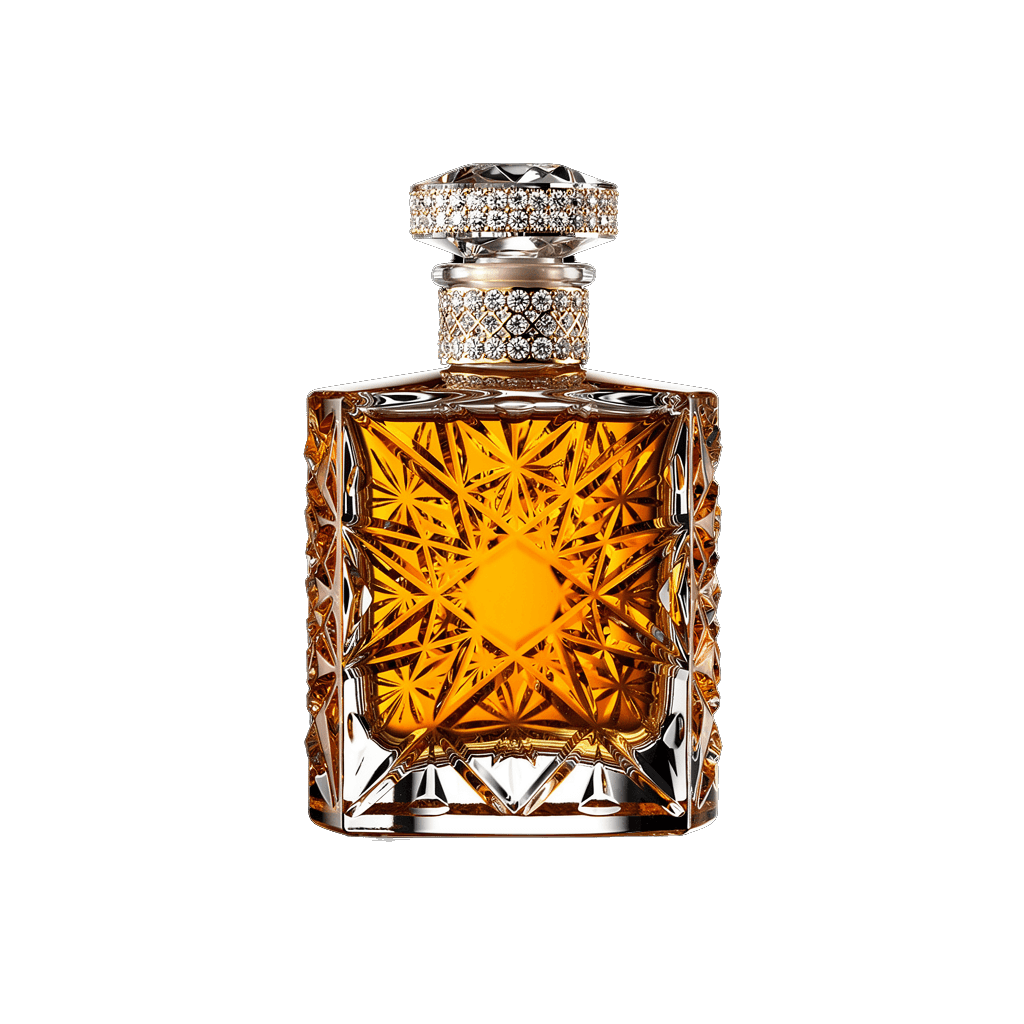
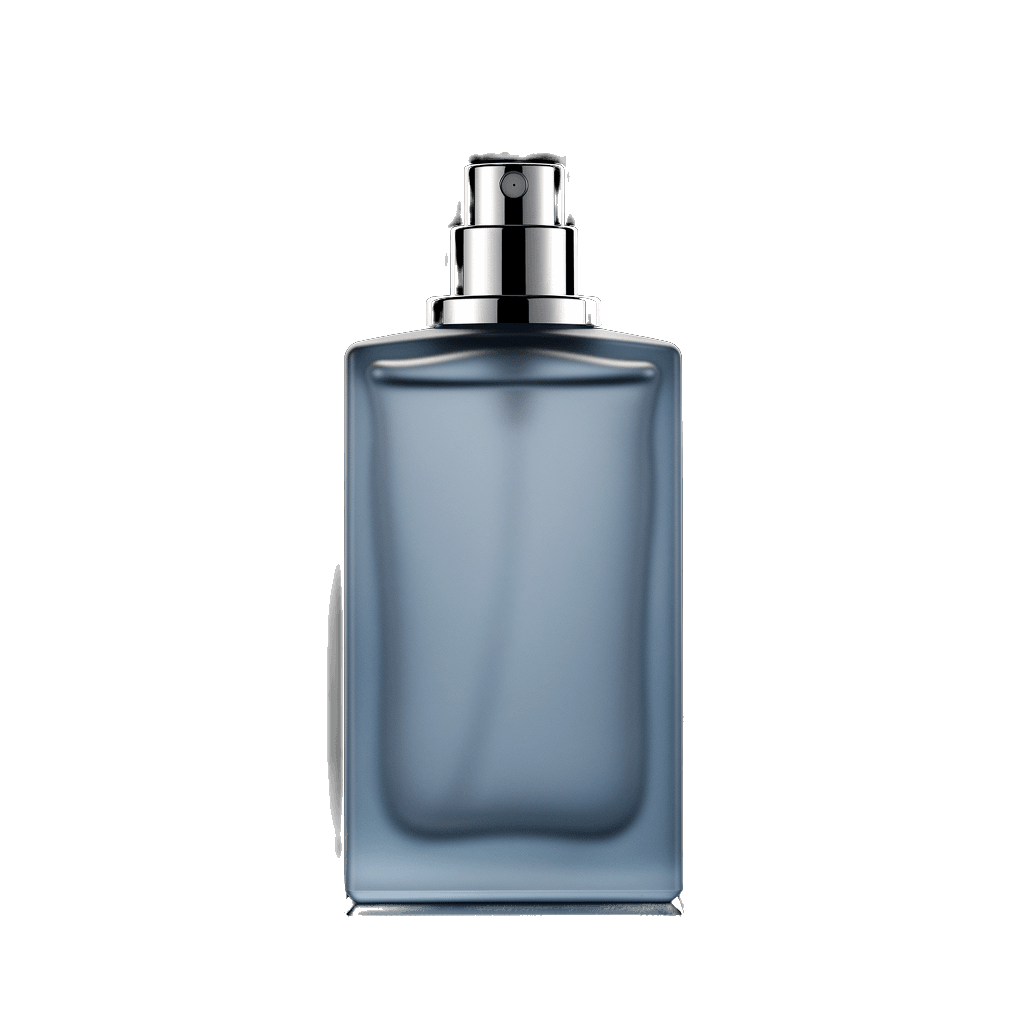
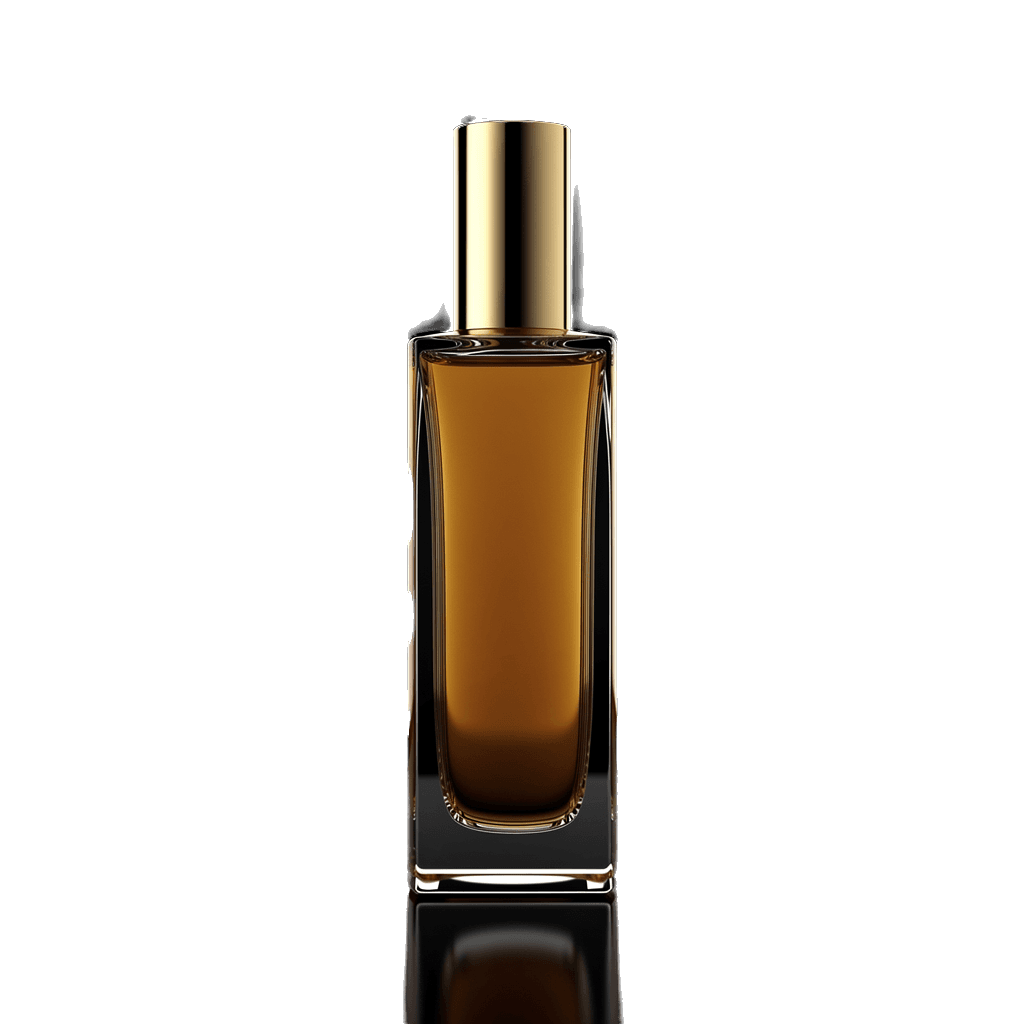
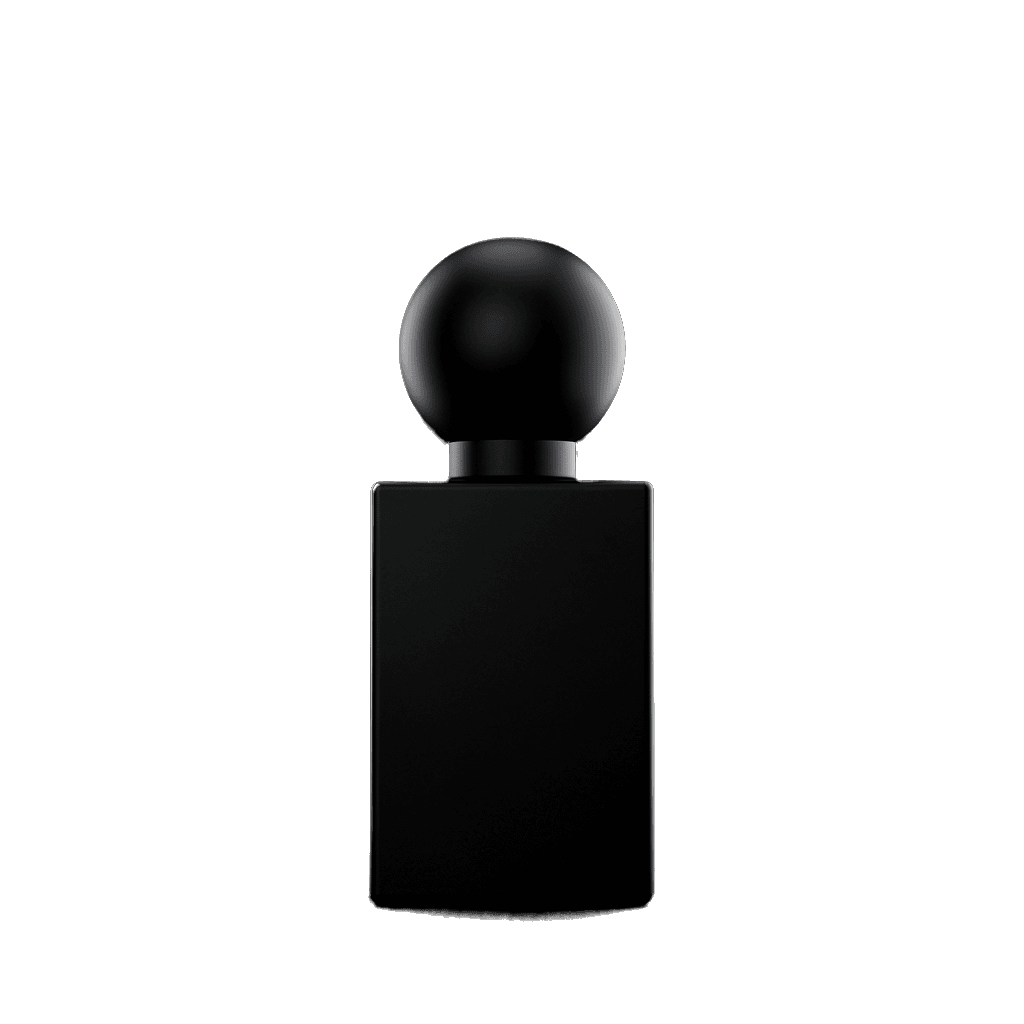
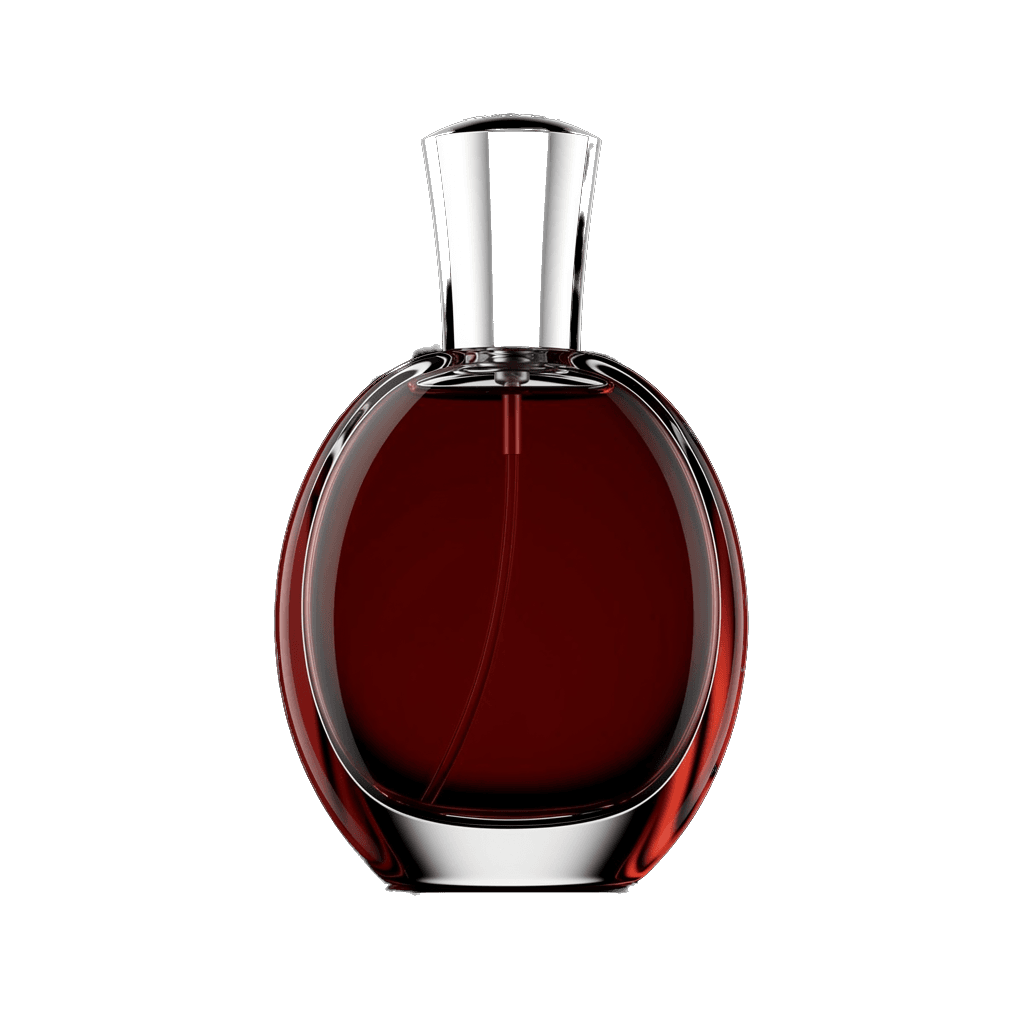
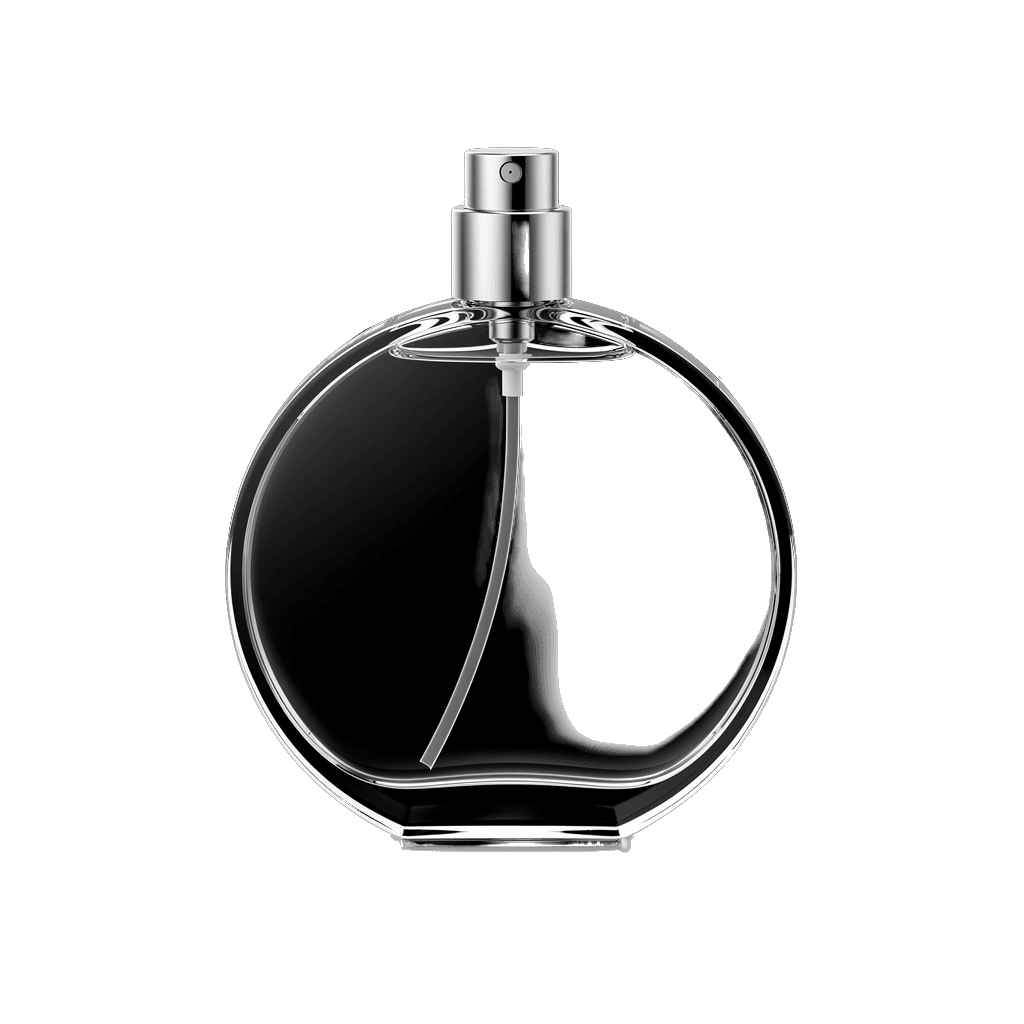
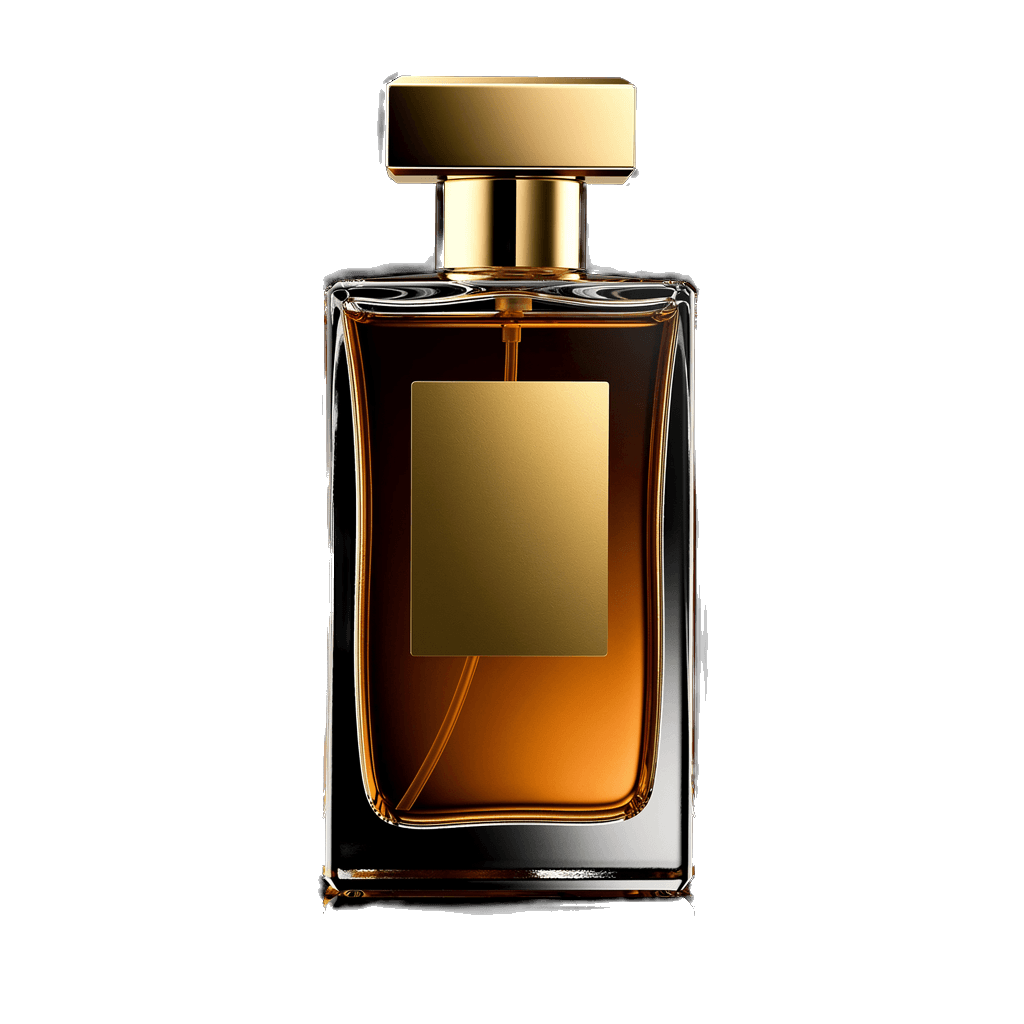
Visually, Maison Violet draws on the elegance of 19th‑century French design while injecting a contemporary minimalism. Bottles feature slender, frosted glass with subtle gold accents that echo the original perfume vials found in the house’s archives. Labels employ a serif typeface reminiscent of period trade cards, set against a muted ivory background that highlights the fragrance name in deep violet or navy tones. The brand’s visual language extends to its retail spaces, where reclaimed wood, brass fixtures and soft, natural lighting create an atmosphere of quiet refinement. Promotional imagery often juxtaposes historic portraiture with modern portrait subjects, reinforcing the dialogue between eras. The overall aesthetic avoids overt branding, favoring understated elegance that lets the scent itself become the focal point.
Philosophy
Maison Violet frames its creative vision around the idea of dialogue between past and present. The house treats historic formulas as a conversation starter rather than a fixed script, inviting perfumers to reinterpret classic accords with current techniques. Sustainability and ethical sourcing are woven into this approach; ingredients are chosen for both their olfactory fidelity and their traceability. The brand values transparency, often publishing the provenance of key materials and the rationale behind each note selection. Storytelling remains central: every fragrance is linked to a memory, a place, or a moment from the house’s archives, encouraging wearers to imagine their own narratives. Rather than chasing trends, Maison Violet seeks to create scents that endure, believing that true longevity arises from a balance of craftsmanship, authenticity, and a willingness to let history speak through modern lenses.
Key Milestones
1827
François‑Étienne Violet establishes the original Violet perfumery in Paris, launching a line of scented soaps and eaux de cologne.
1854
The house receives its first cosmetics patent, covering a novel method for stabilizing floral extracts.
1965
After decades of operation, the original business closes, leaving the brand dormant for over fifty years.
2016
Three students from the École Supérieure du Parfum acquire the Maison Violet name and begin archival research.
2018
Maison Violet re‑launches as a niche fragrance house, releasing its first modern reinterpretation of a historic formula.
2022
The house introduces Abîme, a deep amber‑woody scent that references the original 19th‑century amber accord.
At a Glance
Brand profile snapshot
Origin
France
Founded
1827
Heritage
199
Years active
Collection
1
Fragrances released
Avg Rating
3.9
Community sentiment
Release Rhythm