
The Heritage
The Story of Maitre Parfumeur et Gantier
Maître Parfumeur et Gantier is a French niche perfume house founded in 1988 by Jean‑François Laporte, a veteran of the 1970s perfume renaissance. The brand’s name pairs the historic craft of glove‑making with perfumery, signalling a dedication to refined, tactile elegance. Over three decades the house has released a steady stream of olfactory narratives, from the amber‑rich Ambre Précieux (1988) to the recent Oud Extravagant (2018). Its catalogue balances classic French structure with daring ingredient pairings, appealing to collectors who value depth over trend.
Heritage
Jean‑François Laporte began his career in the mid‑1970s, co‑founding L'Artisan Parfumeur in 1976. After leaving that venture in 1982, he sought a vehicle that could marry his love of historic French craft with contemporary scent design. In 1988 he launched Maître Parfumeur et Gantier, a name that references the 17th‑century glove‑makers who supplied the aristocracy of Paris. The inaugural releases—Parfum d’Habit, Ambre Précieux and Eau des Iles—reflected a reverence for traditional French accords while introducing a subtle modern twist. Throughout the 1990s the house expanded its palette, adding Baime (2000) and Jeune Homme Extravagante (2011), each noted for a precise balance of spice and freshness. The 2010s saw a renewed focus on rare materials; Oud Extravagant (2018) highlighted a deep, sustainably sourced oud, while Ambre Tibet (2022) explored amber sourced from high‑altitude regions. The brand has remained independent, operating from a modest atelier in Paris and maintaining a small‑batch production model. Its longevity stems from a consistent philosophy: honor the past, experiment within its limits, and let each fragrance tell a story rooted in French heritage.
Craftsmanship
Production occurs in a Parisian workshop that blends artisanal techniques with modern quality controls. Raw materials arrive from established suppliers in France, Italy, the Middle East and Southeast Asia. The house favors natural absolutes, such as rose de Mai from Grasse, sandalwood from Mysore, and oud from Indonesia, each verified for purity before use. Ingredients are macerated in glass vessels, allowing slow diffusion of volatile compounds. The house ages many blends for six months to a year, a practice reminiscent of classic French perfumery. Small‑batch mixing ensures that each batch receives individual attention; master perfumers adjust proportions by hand rather than relying on automated dosing. Quality checks include blind panel testing with long‑term wearers, who evaluate projection, evolution and skin compatibility. Bottles are hand‑filled under low light to protect volatile notes. The brand’s commitment to traceability extends to documentation: each batch carries a ledger noting ingredient source, harvest date and batch number, enabling full transparency for the consumer.
Design Language
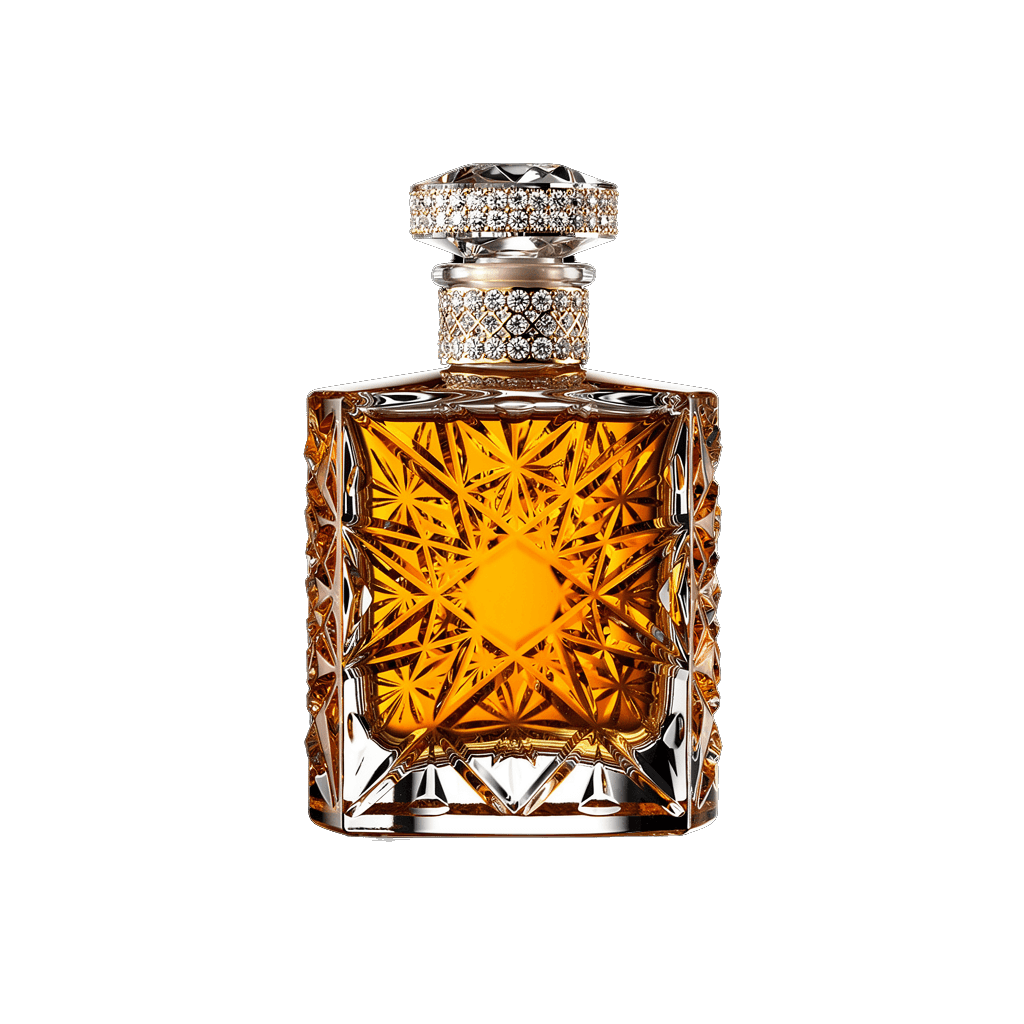
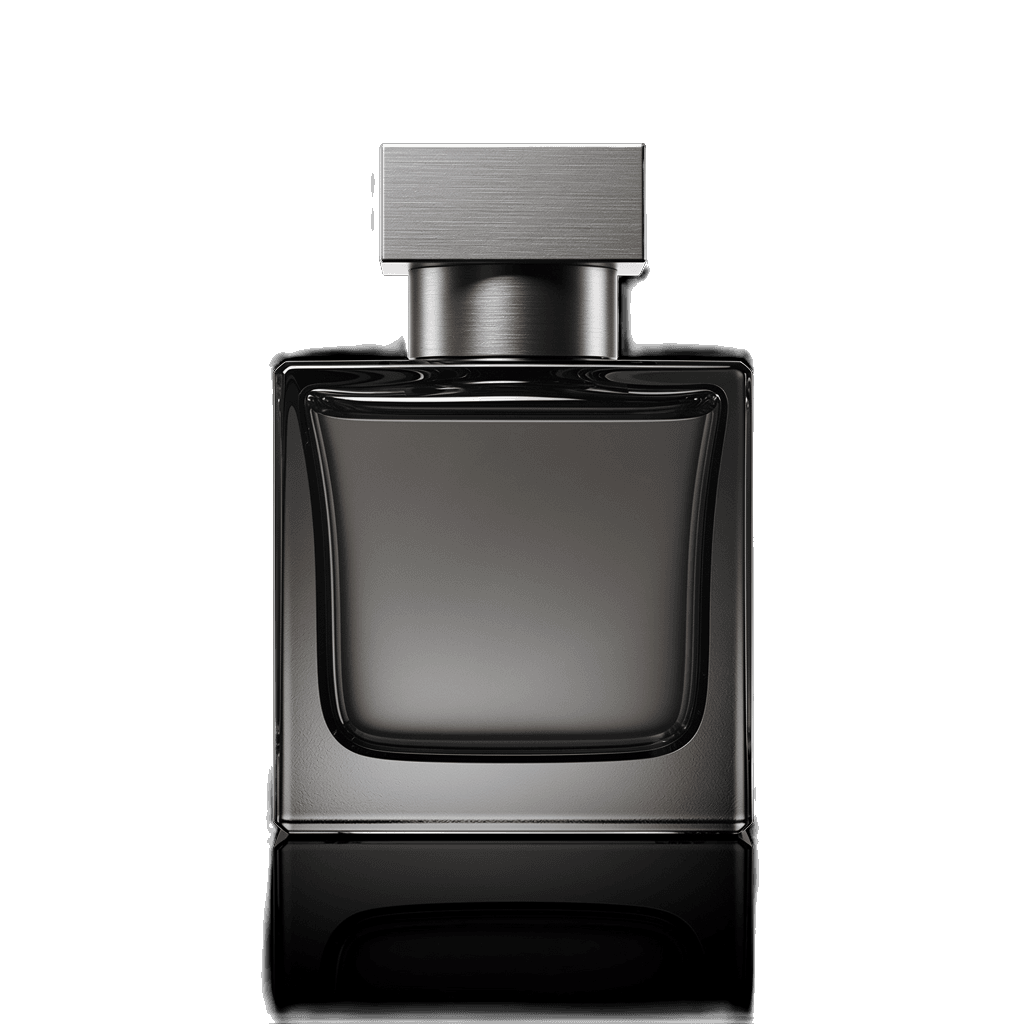
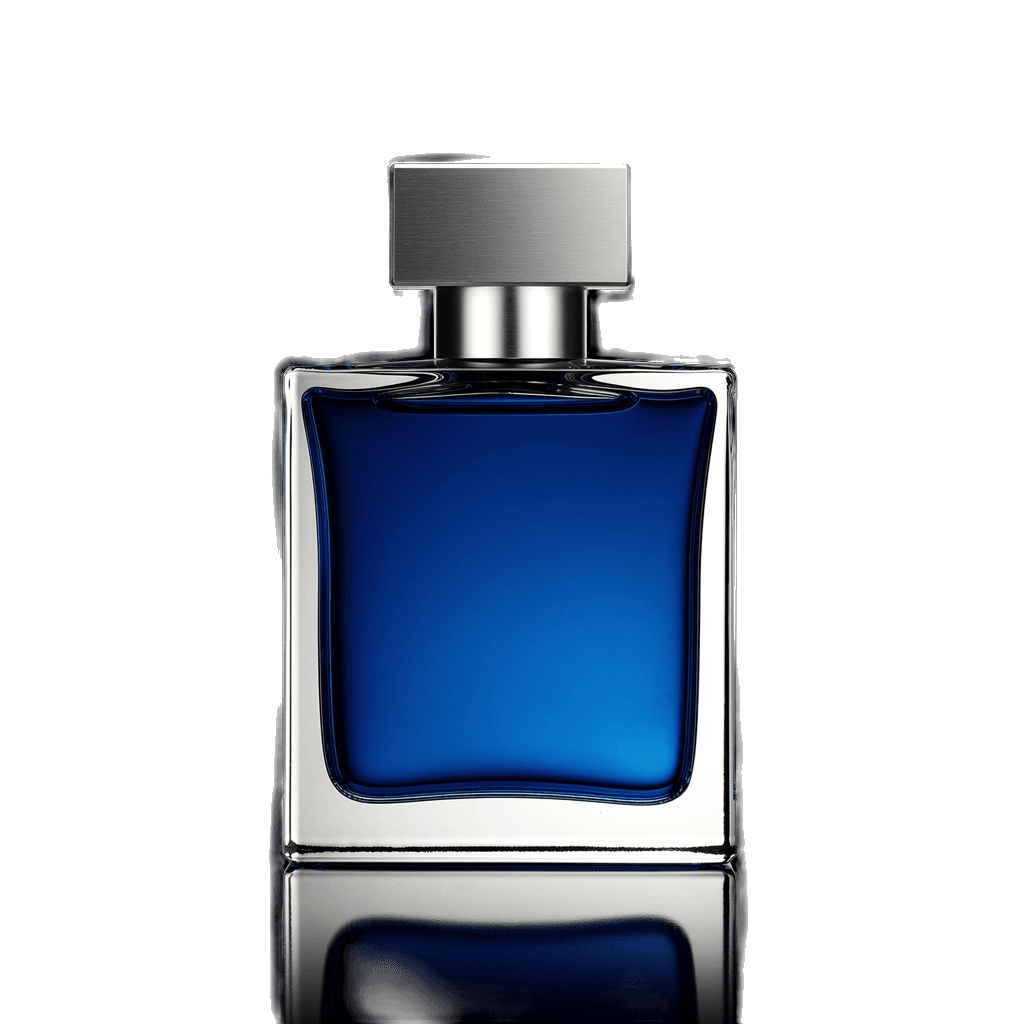
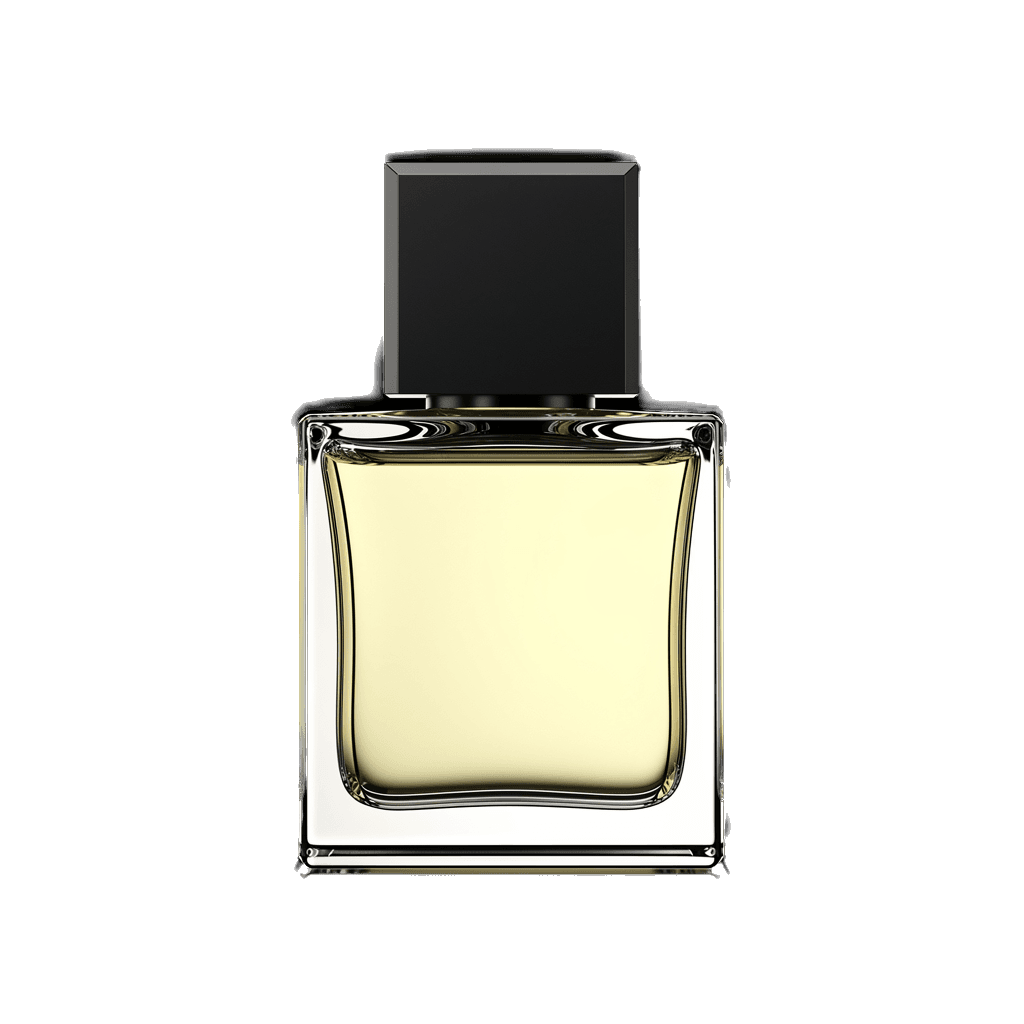
Visual identity mirrors the house’s reverence for craft. Bottles feature clear, thick glass with minimal ornamentation, allowing the perfume’s colour to become the focal point. Labels employ a classic serif typeface in black on white, echoing 17th‑century publishing. The brand’s logo depicts a stylised glove, rendered in a single line, reinforcing the link between scent and tactile art. Packaging often incorporates textured paper reminiscent of hand‑stitched gloves, and the caps are finished in brushed metal, providing a subtle weight. Seasonal releases may introduce a muted colour palette—deep amber for Ambre Tibet, rich mahogany for Oud Extravagant—yet the overall look remains restrained, avoiding overt flashiness. Store displays echo a boutique atelier, with wooden shelving, soft ambient lighting and scent strips arranged like fabric swatches, inviting visitors to explore each fragrance as they would a crafted accessory.
Philosophy
The house approaches scent as a dialogue between history and the present moment. It treats perfume as a crafted object, much like a finely stitched glove, where each ingredient occupies a specific role. Laporte and his team prioritize authenticity, selecting raw materials that can be traced to their origin and that respect traditional extraction methods. The brand avoids fleeting trends, instead seeking timeless structures that reveal new facets over time. Storytelling guides each launch; a name such as Ambre Tibet signals both the material (amber) and the geographic inspiration (the Tibetan plateau). Transparency informs the creative process: the perfumer discloses key accords, allowing collectors to understand the composition. Sustainability also informs decisions, with the house favoring responsibly harvested woods and resins. Ultimately, Maître Parfumeur et Gantier aims to create scents that reward patience, inviting wearers to explore layers rather than delivering an instant impression.
Key Milestones
1976
Jean‑François Laporte co‑founds L'Artisan Parfumeur, marking his entry into niche perfumery.
1982
Laporte departs L'Artisan Parfumeur to pursue an independent vision.
1988
Maître Parfumeur et Gantier launches with inaugural fragrances Parfum d’Habit, Ambre Précieux and Eau des Iles.
2000
Baime is released, showcasing the house’s expanding palette of spice and wood.
2011
Jeune Homme Extravagante debuts, highlighting a modern take on youthful freshness.
2018
Oud Extravagant arrives, emphasizing responsibly sourced oud and deep amber accords.
At a Glance
Brand profile snapshot
Origin
France
Founded
1988
Heritage
38
Years active
Collection
1
Fragrances released
Avg Rating
4.0
Community sentiment
Release Rhythm