The Heritage
The Story of Marquay
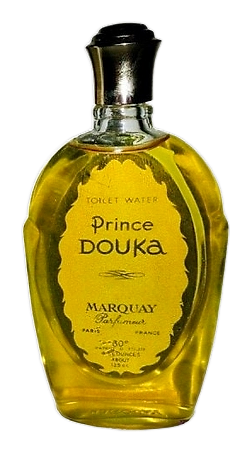
Marquay is a Paris‑based perfume house that emerged in the immediate post‑war era. Its name pays homage to a small commune in the French countryside, reflecting a quiet reverence for place. Over the decades the brand has built a modest catalogue that includes the 1927 vintage Prince Douka, the 1946 debut L’Élu, the 1950 Traquenard and the 1957 Coup de Feu. Each launch carries a story of a specific moment in French cultural life, from the optimism of reconstruction to the swing of the late‑fifties. Marquay’s offerings are found in niche boutiques and specialist online platforms, where collectors appreciate the house’s continuity and its restraint‑driven aesthetic.
Heritage
The house of Marquay opened its doors in 1946, a year after the end of World War II, when Paris was rebuilding its artistic identity. The founder, whose surname has not been widely recorded, chose the name Marquay after a modest commune in the Loire‑Atlantique region, hoping the brand would embody the same grounded elegance. The first fragrance, L’Élu, arrived that same year and quickly earned a place in Parisian salons; contemporary press noted its balanced blend of citrus and soft florals, a departure from the heavier wartime scents. By 1950, Marquay introduced Traquenard, a composition that combined amber, leather, and a hint of tobacco, echoing the smoky cafés of the Saint‑Germain district. The following year, Prince Douka, originally formulated in 1927 by an earlier, unrelated perfumer, was acquired and re‑issued under the Marquay label, giving the house a link to pre‑war perfume heritage. In 1957, Coup de Feu arrived, inspired by the burgeoning rock‑and‑roll culture; its bright pepper and ginger top notes were described in a 1958 French style magazine as “a spark of youthful energy”. Throughout the 1960s and 1970s, Marquay maintained a low‑key production model, focusing on limited runs for select Parisian boutiques rather than mass distribution. The 1990s saw a modest revival when a new generation of collectors rediscovered the brand’s vintage bottles at auction, prompting the house to re‑release several classics with updated packaging. In 2015, Marquay partnered with a small cooperative in Grasse to source organically grown jasmine, marking its first explicit commitment to sustainable ingredient sourcing. Today, the house continues to operate from a historic atelier on Rue du Faubourg Saint‑Honoré, preserving its original workshop layout while integrating modern quality controls. The continuity of location, combined with a catalog that spans more than seven decades, gives Marquay a rare sense of temporal depth in the niche perfume landscape.
Craftsmanship
Production at Marquay unfolds within a compact atelier that retains many of the tools used in the 1950s, such as copper stills for essential‑oil distillation and hand‑cut glass pipettes for precise blending. The house sources its raw materials from a network of long‑standing suppliers in Grasse, the Rhône valley, and the Mediterranean basin. For example, the jasmine used in the 2015 re‑issue of L’Élu comes from a cooperative of organic growers near Grasse, who harvest the blossoms at dawn to preserve volatile aromatics. Ambergris, when required, is obtained through a regulated program that collects only naturally expelled material, ensuring ethical compliance. Each batch undergoes a double‑stage quality test: first, a laboratory analysis verifies the concentration of key aromatic compounds; second, a senior perfumer evaluates the scent’s evolution over a 24‑hour period to confirm that the intended narrative unfolds as designed. The house limits production runs to a few thousand bottles per fragrance, allowing for meticulous hand‑filling and capping. Bottles are sealed with a wax‑coated cork that the artisans hand‑polish, a step that prevents oxidation and adds a tactile element to the unboxing experience. The final product is packaged in a matte‑finished cardboard sleeve printed with a single‑color illustration referencing the fragrance’s inspiration, a design choice that reflects the brand’s minimalist visual language. Throughout the process, Marquay records each ingredient’s batch number, creating a traceable ledger that supports both quality assurance and future archival research.
Design Language
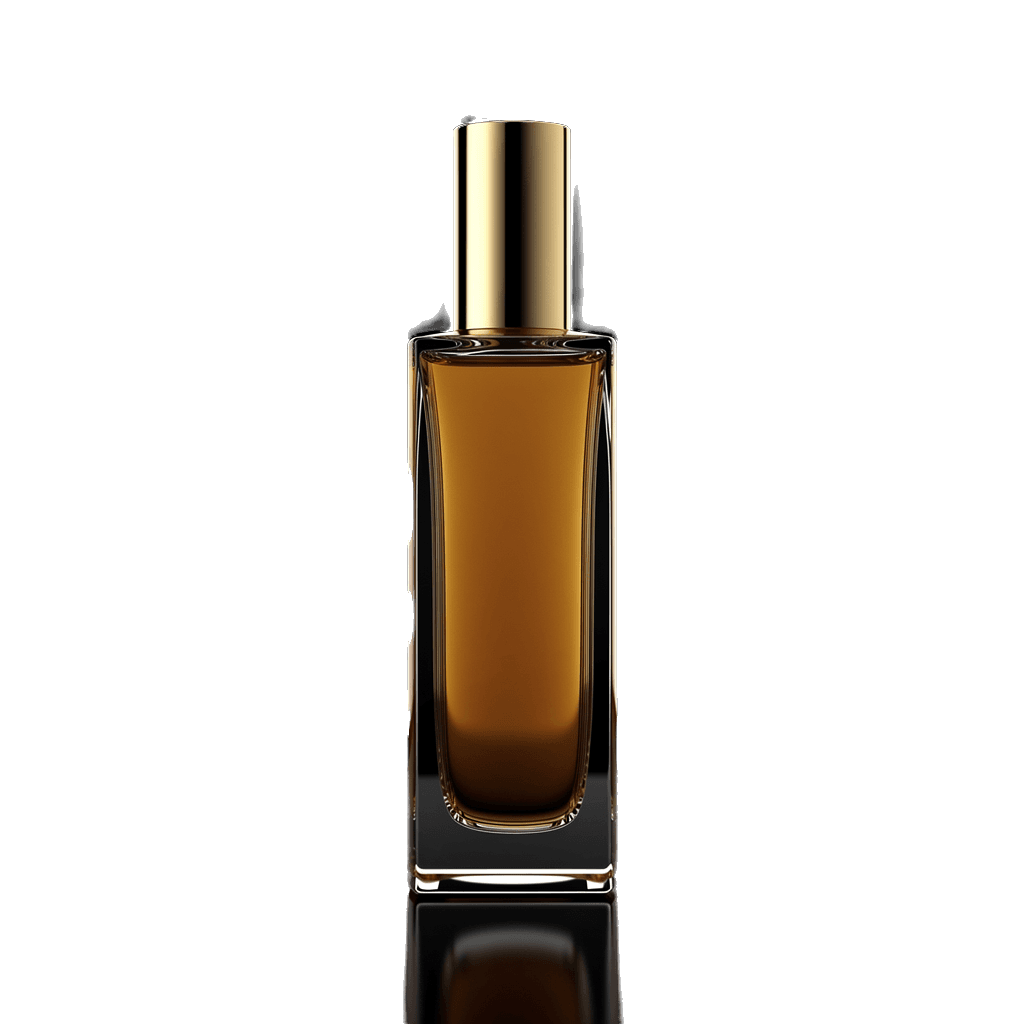
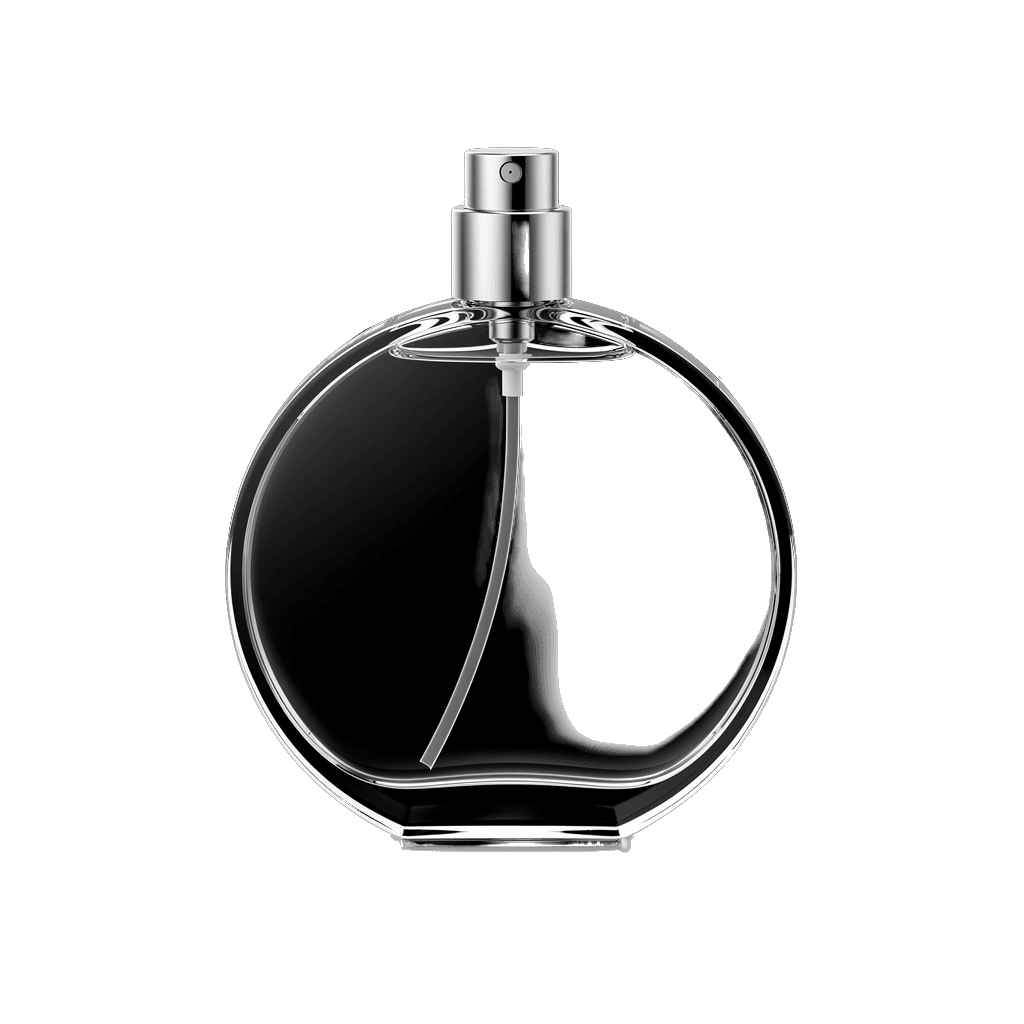
Visually, Marquay favors restraint over ornamentation. The brand’s bottles are typically tall, cylindrical glass vessels with clean lines and a subtle frosted finish that catches light without glare. Labels consist of a thin black band bearing the fragrance name in a classic serif typeface, accompanied by the year of launch in smaller caps. The caps are made of brushed aluminum or natural cork, depending on the scent’s character; a leather‑wrapped cap appears on the 1957 Coup de Feu, echoing the fragrance’s rock‑and‑roll inspiration. The overall packaging palette leans toward muted earth tones—soft greys, warm beiges, and occasional deep navy—allowing the bottle’s silhouette to become the focal point. Marketing imagery, when used, features black‑and‑white photographs of Parisian streets, vintage cafés, or the French countryside, reinforcing the brand’s narrative of place. In recent years, Marquay introduced a limited‑edition series where the bottle’s glass is tinted to match the dominant hue of the fragrance’s heart note, such as a pale amber for Traquenard. This subtle color cue offers collectors a visual shorthand for the scent’s personality while preserving the house’s commitment to understated elegance.
Philosophy
Marquay’s creative outlook centers on the idea that fragrance should act as a quiet narrative rather than a bold proclamation. The house believes that a perfume’s power lies in its ability to evoke a specific memory or place, a principle that guides every new launch. Rather than chasing trends, Marquay selects raw materials that have a clear provenance, allowing the scent to tell a story rooted in geography and history. The brand’s values include discretion, craftsmanship, and a respect for the natural character of each ingredient. In practice, this means that the perfumers—though not publicly named—work closely with the sourcing team to understand the terroir of each flower or resin before translating it into an olfactory formula. Marquay also emphasizes longevity, designing compositions that evolve gracefully on the skin over several hours, a trait that aligns with the house’s belief in perfume as a companion through the day. Sustainability entered the philosophy in the mid‑2010s, when the house adopted a policy of sourcing at least 30 % of its botanical extracts from certified organic farms. This shift was motivated by a desire to protect the ecosystems that supply the raw materials, rather than by market pressure. Finally, Marquay maintains a modest public presence, preferring intimate launch events in historic Parisian venues where the scent can be experienced in a setting that mirrors its narrative intent.
Key Milestones
1946
Marquay founded in Paris; L’Élu released as the house’s inaugural fragrance
1950
Traquenard launched, combining amber, leather, and tobacco
1957
Coup de Feu introduced, inspired by emerging rock‑and‑roll culture
1990
Vintage Marquay bottles resurfaced at auction, prompting limited re‑releases
2015
Partnership with an organic jasmine cooperative in Grasse began
2022
Marquay opened a public exhibition space in the former atelier on Rue du Faubourg Saint‑Honoré
At a Glance
Brand profile snapshot
Origin
France
Founded
1946
Heritage
80
Years active
Collection
2
Fragrances released
Avg Rating
4.5
Community sentiment
Release Rhythm