The Heritage
The Story of Oriflame
Oriflame began in Stockholm and grew into a global beauty network that includes a fragrance line aimed at everyday consumers. The brand offers a range of scents such as Serene Blue (2004), Deep Woods (2000) and Amber Elixir Mystery (2020). Its products reach more than 60 markets through a community of independent consultants who sell directly to friends and family. The company blends Swedish design with a focus on approachable, well‑crafted perfumes.
Heritage
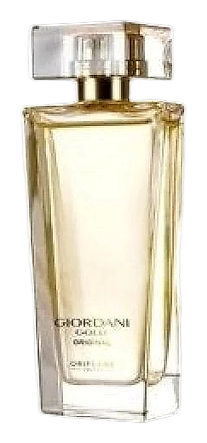
Oriflame was founded on 1 January 1967 in Stockholm by brothers Jonas and Robert af Jochnick together with Bengt Hellsten. The trio launched a small cosmetics firm that relied on a direct‑selling model, allowing consultants to demonstrate products in person. By the late 1970s the company opened its first in‑house Research and Development Centre in 1979, a move documented on the corporate site. The centre enabled Oriflame to formulate its own fragrances and to file several patents for cosmetic technologies. In 1992 the brand released Giordani De Oriflame Eau De Toilette Concentree, marking its first major perfume launch. The early 2000s saw a series of scent introductions, including Deep Woods (2000), Serene Blue (2004) and Yo! Punky Pear (1999), which expanded the portfolio beyond classic floral notes. Oriflame entered emerging markets across Eastern Europe, Asia and Africa throughout the 2000s, using its consultant network to adapt marketing to local tastes. In 2020 the company added Amber Elixir Mystery, a fragrance that highlighted a shift toward richer, amber‑based compositions. The most recent addition, Everlasting Glow (2025), reflects a continued commitment to fresh, modern olfactory statements while staying true to the brand’s Swedish roots. Over more than five decades Oriflame has maintained a presence in the direct‑selling sector, balancing growth with a consistent focus on product development and community‑driven sales.
Craftsmanship
The fragrance creation process begins in Oriflame’s R&D laboratory, where chemists test over a hundred aromatic compounds each year. The lab follows Good Manufacturing Practice guidelines and collaborates with external perfumers from Europe, Asia and the Americas, as noted in a 2023 launch announcement that listed seven perfumers from diverse regions. Ingredient sourcing prioritises traceability; natural extracts such as bergamot, sandalwood and jasmine are purchased from certified farms that adhere to fair‑trade principles. Synthetic aroma chemicals are used when they provide stability or reduce environmental impact, and each batch undergoes stability testing to ensure the scent remains true over time. Production facilities in Europe and Asia operate under ISO 9001 certification, guaranteeing consistent quality control. After blending, the perfume is filtered, aged for a period that varies by composition, and finally transferred into bottles that meet EU safety regulations. Quality inspectors evaluate each batch for scent fidelity, color consistency and packaging integrity before the product leaves the factory. This rigorous workflow reflects Oriflame’s commitment to delivering reliable, well‑balanced fragrances at an accessible price point.
Design Language
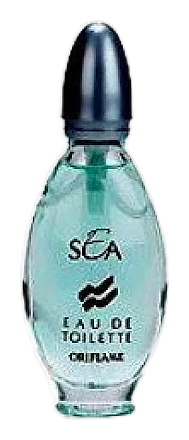
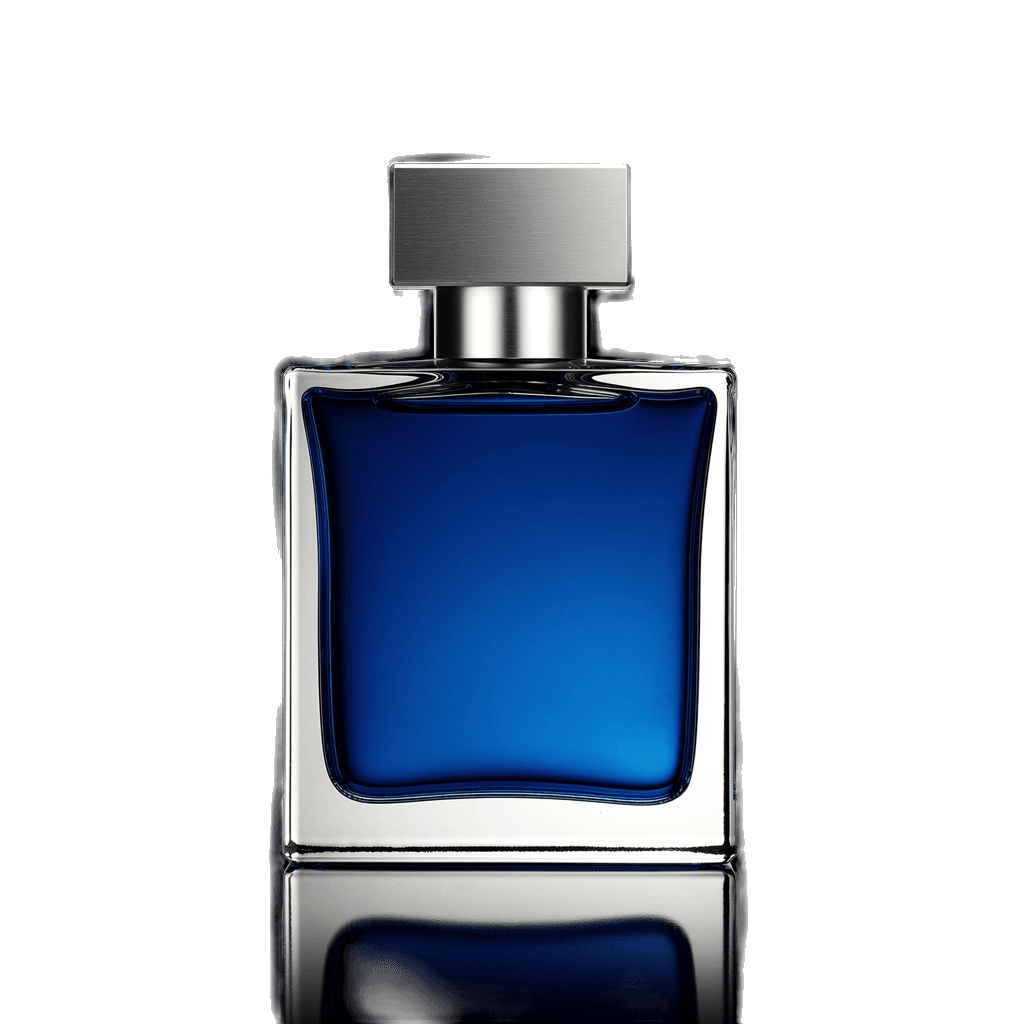
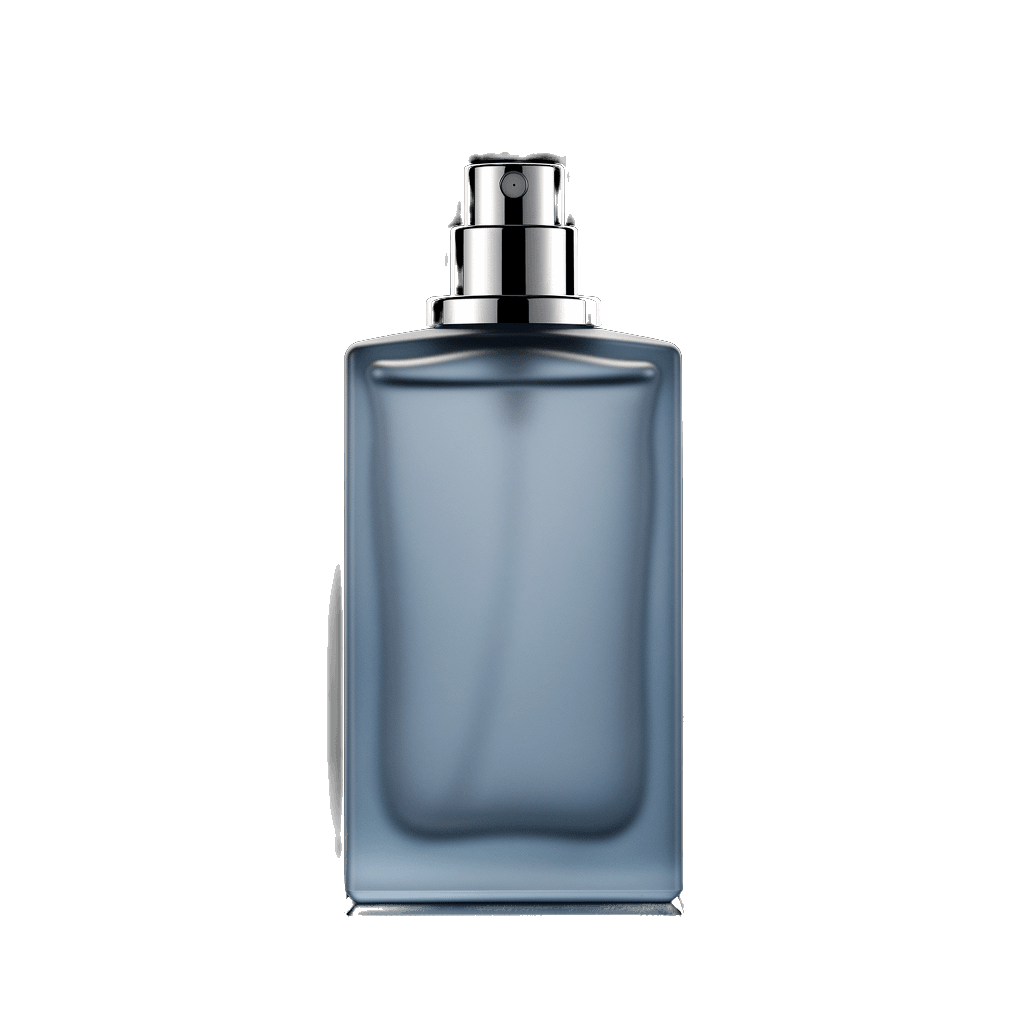
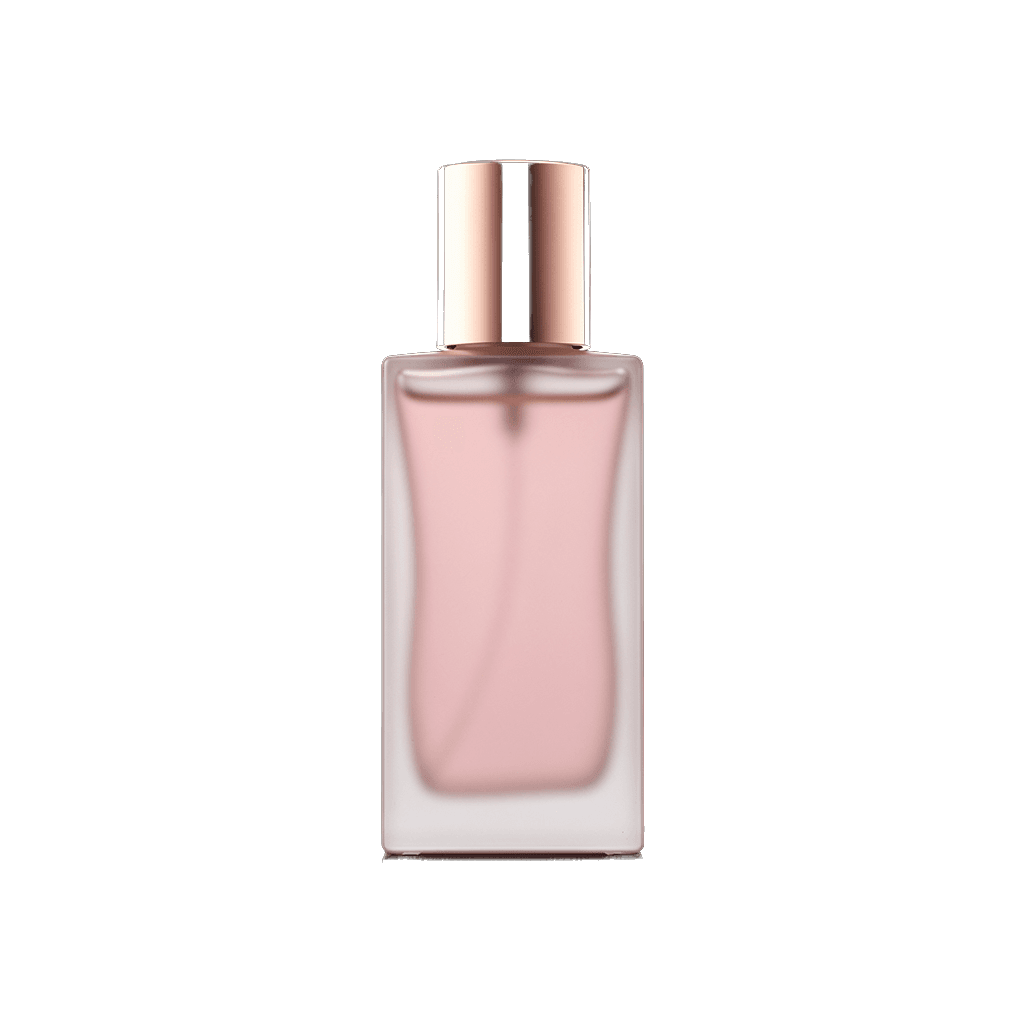
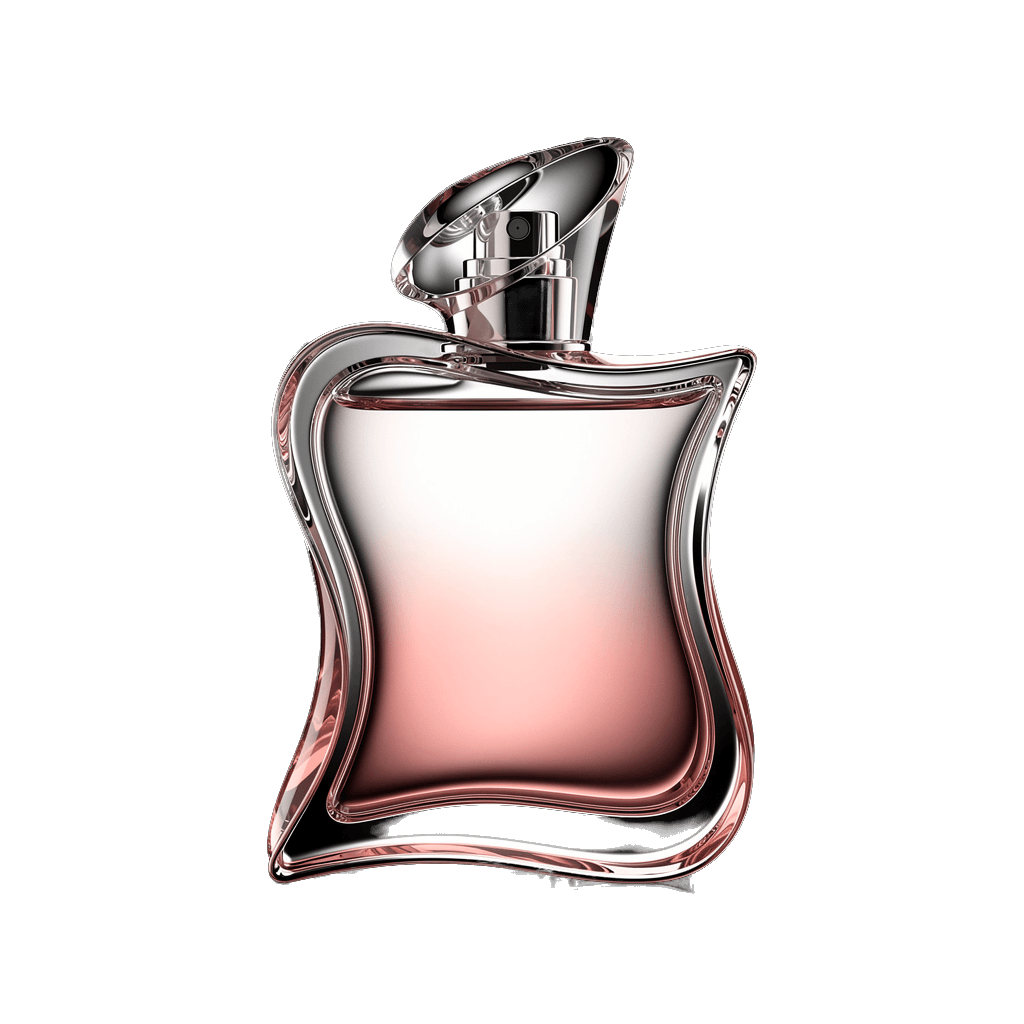
Oriflame’s visual language reflects its Swedish heritage, favoring clean lines, muted colour palettes and understated typography. Bottle designs often feature clear glass with simple caps, allowing the perfume’s hue to become the focal point. The Serene Blue bottle, for example, uses a pale blue tint that echoes the fragrance’s marine notes, while the Amber Elixir Mystery presents a deep amber glass that hints at its warm composition. Graphic elements on marketing materials include minimalist photography that showcases the scent’s key ingredients, such as a close‑up of a jasmine blossom or a sprig of pine. The brand’s logo, a stylised “O” in a sans‑serif typeface, appears in silver or gold foil depending on the product line, reinforcing a sense of refined simplicity. In retail displays, Oriflame opts for modular shelving that can be assembled by consultants, emphasizing flexibility and personalisation. The overall aesthetic balances approachability with a subtle nod to Scandinavian design principles, creating a cohesive look across fragrance, skincare and makeup ranges.
Philosophy
Oriflame frames its creative vision around three pillars: natural inspiration, community empowerment and responsible sourcing. The brand draws on Sweden’s tradition of nature‑based design, choosing botanical extracts that echo the country’s forests and coastlines. It encourages consultants to share personal stories about scent, turning each sale into a dialogue rather than a transaction. Sustainability guides ingredient selection; the company prefers renewable raw materials and works with suppliers that meet EU environmental standards. Transparency appears in product labeling, where consumers can trace key notes back to their botanical origins. Oriflame also invests in education, offering training modules that teach consultants about fragrance families, ingredient safety and ethical marketing. This approach positions the brand as a partner in both beauty and personal development, rather than a distant corporate entity.
Key Milestones
1967
Oriflame founded in Stockholm by Jonas af Jochnick, Robert af Jochnick and Bengt Hellsten
1979
First in‑house Research and Development Centre opened
1992
Launch of Giordani De Oriflame Eau De Toilette Concentree
2000
Deep Woods fragrance released
2004
Serene Blue added to the perfume portfolio
2020
Amber Elixir Mystery introduced, highlighting amber‑rich accords
At a Glance
Brand profile snapshot
Origin
Sweden
Founded
1967
Heritage
59
Years active
Collection
26
Fragrances released
Avg Rating
3.9
Community sentiment
Release Rhythm