



The Story
Why it exists.
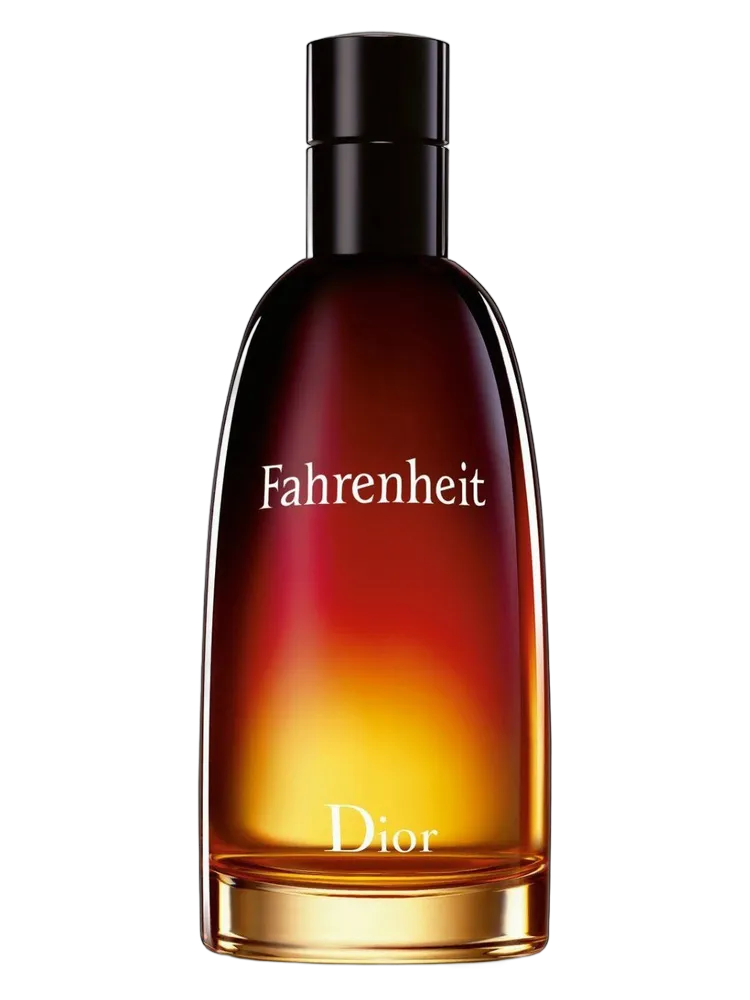
Jean-Louis Sieuzac built Fahrenheit in 1988 with one goal: create a masculine fragrance with no clear precedent. Not another fougère, not another citrus. Something that felt like a boundary being pushed. The name itself, Fahrenheit, implies extremes, temperatures where something changes state. The brief wasn't to make a crowd-pleaser. It was to make something that would outlast trends, that would be worn by people who actually understood what they were reaching for. And in that, it succeeded in a way Dior probably didn't anticipate.
If this were a song
Community picks
Teardrop
Massive Attack
The Beginning
Jean-Louis Sieuzac built Fahrenheit in 1988 with one goal: create a masculine fragrance with no clear precedent. Not another fougère, not another citrus. Something that felt like a boundary being pushed. The name itself, Fahrenheit, implies extremes, temperatures where something changes state. The brief wasn't to make a crowd-pleaser. It was to make something that would outlast trends, that would be worn by people who actually understood what they were reaching for. And in that, it succeeded in a way Dior probably didn't anticipate.
What makes the structure unusual is how it treats leather not as a base note to be arrived at, but as a central character from the start. Most fragrances let you ease in, a bright top, a gentle heart, and only at the end do you reach the densest materials. Fahrenheit inverts this. The cold mineral opening isn't hiding anything; it's the first half of a conversation whose second half is leather, vetiver, and musk. The two halves don't compete. They argue, which is more interesting.
The Evolution
The opening is the freeze, bergamot and mandarin arrive bright and almost clinical, undercut by lavender that keeps things just slightly aromatic. Chamomile adds a green herbal edge that nobody talks about but it's there, working as a bridge. Within twenty minutes the temperature shifts. The cold recedes and what takes its place is the leather, not aggressive, not animalic in a dirty way, but present in the way a worn jacket is present. Vetiver and patchouli layer underneath, and the musk holds everything together without announcing itself. By the third hour you're in the drydown, and the interesting thing happens here: the leather softens. It becomes something warmer, almost sweet in the way tonka bean quietly sweetens without making a show of it. The vetiver stays, dusty and dry. Amber appears and lingers. This is where people who hated the opening fall in love. On skin, this thing lasts a full workday and then some, eight to ten hours on most people, and on fabric it carries into the next day.
Cultural Impact
Fahrenheit arrived in 1988 and spent most of the 1990s as the scent you'd smell on someone who seemed like they had opinions. It was never the best-selling Dior fragrance, and it was never trying to be. What it built instead was a reputation for being worn by people who knew exactly what they were doing. The leather-mineral combination was unusual for its time and remains unusual now, it's not a safe blind buy, and Dior never positioned it as one. In the community, it has strong fans and strong critics, and both reactions are correct. It divides because it commits. People who love it describe it as the only fragrance that ever felt like theirs; people who hate it describe it as too cold or too aggressive. The fragrance doesn't apologize for either response.
The House
France · Est. 1946
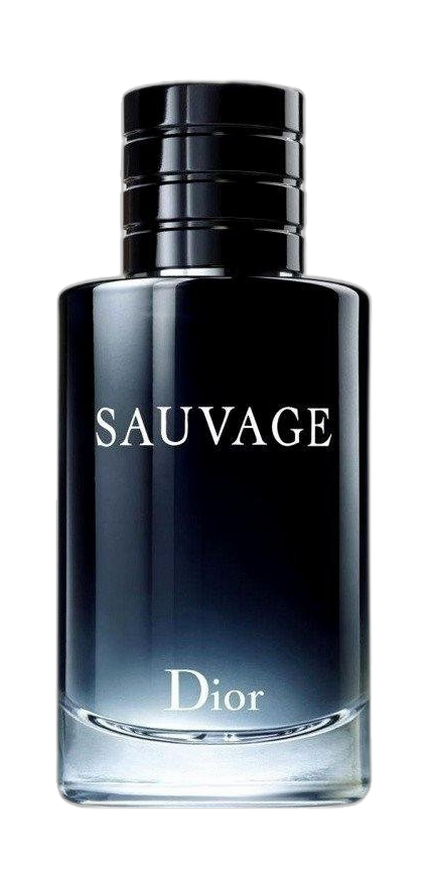
Christian Dior launched his first fragrance, Miss Dior, the same year he showed the revolutionary New Look in 1947. The house has since built one of the most comprehensive luxury fragrance portfolios in existence, from the masculine reinvention of Sauvage to the couture exclusivity of La Collection Privée. Under perfumer François Demachy, Dior balances mainstream appeal with genuine artistry.
If this were a song
Community picks
Fahrenheit sounds like late-night city air, the kind that's cold enough to cut but clean enough to breathe. Think the edge of a rooftop at two in the morning, or a long drive through empty streets with the windows cracked. The leather and vetiver base has weight; the mineral opening has clarity. The playlist moves between tension and release, with tracks that feel like they understand what it means to not need anyone's permission.
Teardrop
Massive Attack