The Story
Why it exists.
Nina Ricci
France · Est. 1932
Olivier Cresp, Jacques Cavallier Belletrud, Christian Dussoulier
Est. 2006
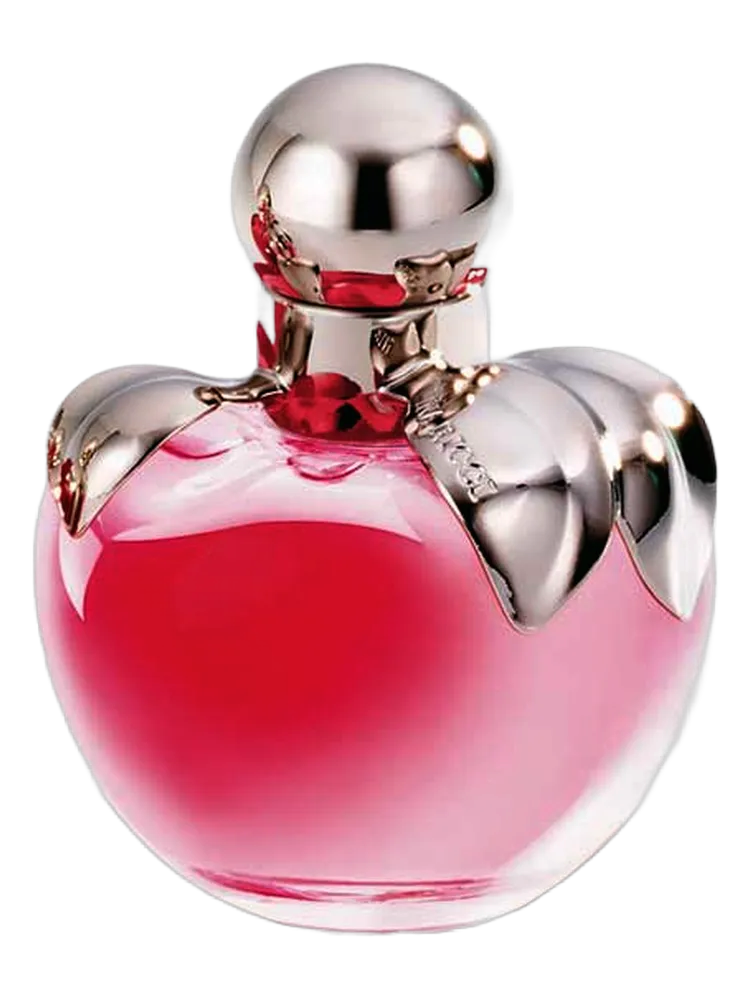
In 2006, Nina Ricci replaced an earlier Nina fragrance from 1987 with something that felt true to the house's romantic heart while speaking to a new generation. The new Nina was described by the house as a modern fairytale fragrance for a younger audience. The tart, green Granny Smith apple gave the fragrance a sharp backbone that kept the sweetness from becoming heavy. Praline added warmth, peony added romance, and the result felt like something more playful than what had come before. The original's candied apple note was reframed entirely, built around a Granny Smith variety that lends a green, tart quality preventing any cloying sweetness from settling in.
If this were a song
Community picks
New Romantics
Taylor Swift
The Beginning
In 2006, Nina Ricci replaced an earlier Nina fragrance from 1987 with something that felt true to the house's romantic heart while speaking to a new generation. The new Nina was described by the house as a modern fairytale fragrance for a younger audience. The tart, green Granny Smith apple gave the fragrance a sharp backbone that kept the sweetness from becoming heavy. Praline added warmth, peony added romance, and the result felt like something more playful than what had come before. The original's candied apple note was reframed entirely, built around a Granny Smith variety that lends a green, tart quality preventing any cloying sweetness from settling in.
The composition's structure is what makes it work. The top citrus doesn't just open the fragrance, it sets the tempo. Bright, sharp, a little frantic. Then the Granny Smith apple arrives and does something clever. It keeps the sweetness honest. Too many gourmand fragrances lose their edges in the sugar rush. Here, the green apple note cuts through the praline, giving each bite a tartness that stops it from becoming syrupy. Peony adds a romantic softness without tipping into powder. And datura, the moonflower, adds an interesting twist. Nocturnal, slightly heady, it prevents the heart from being purely innocent. Praline and apple at this level is almost edible.
The Evolution
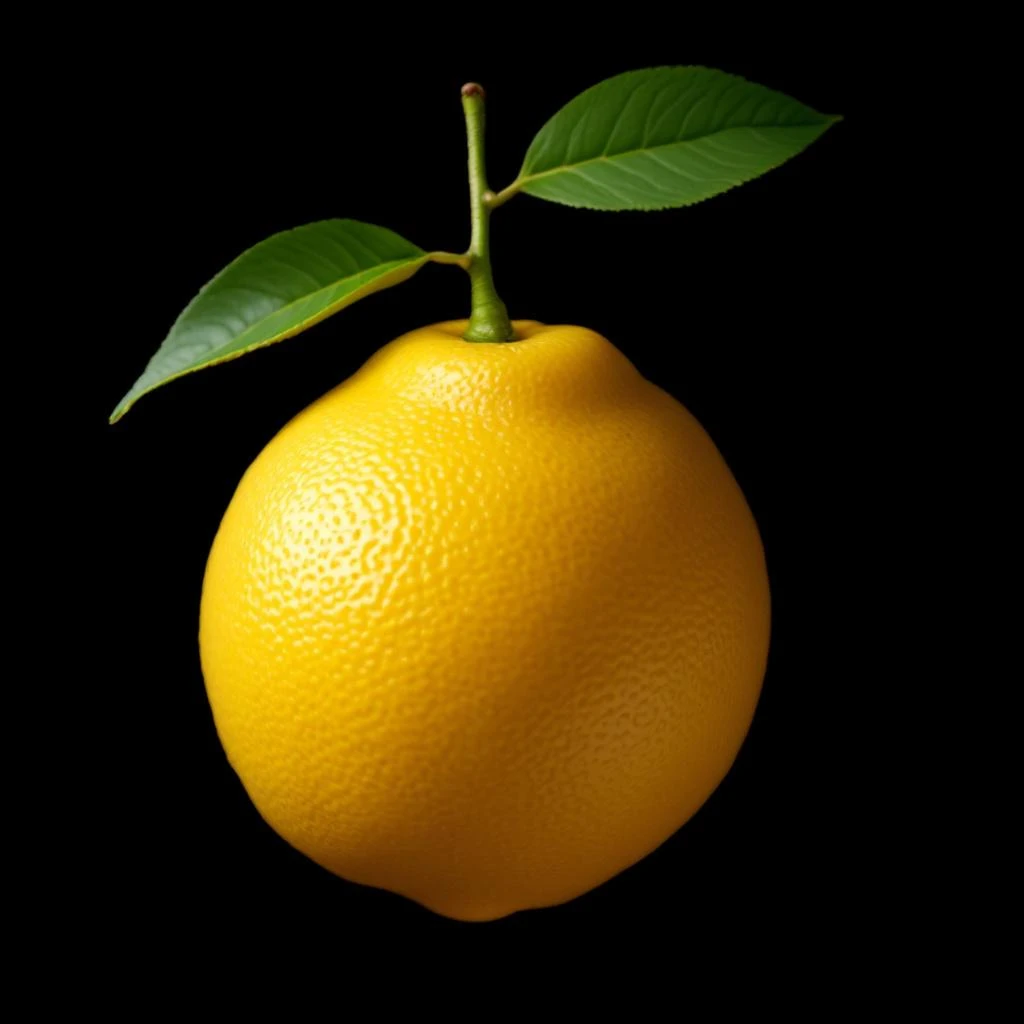
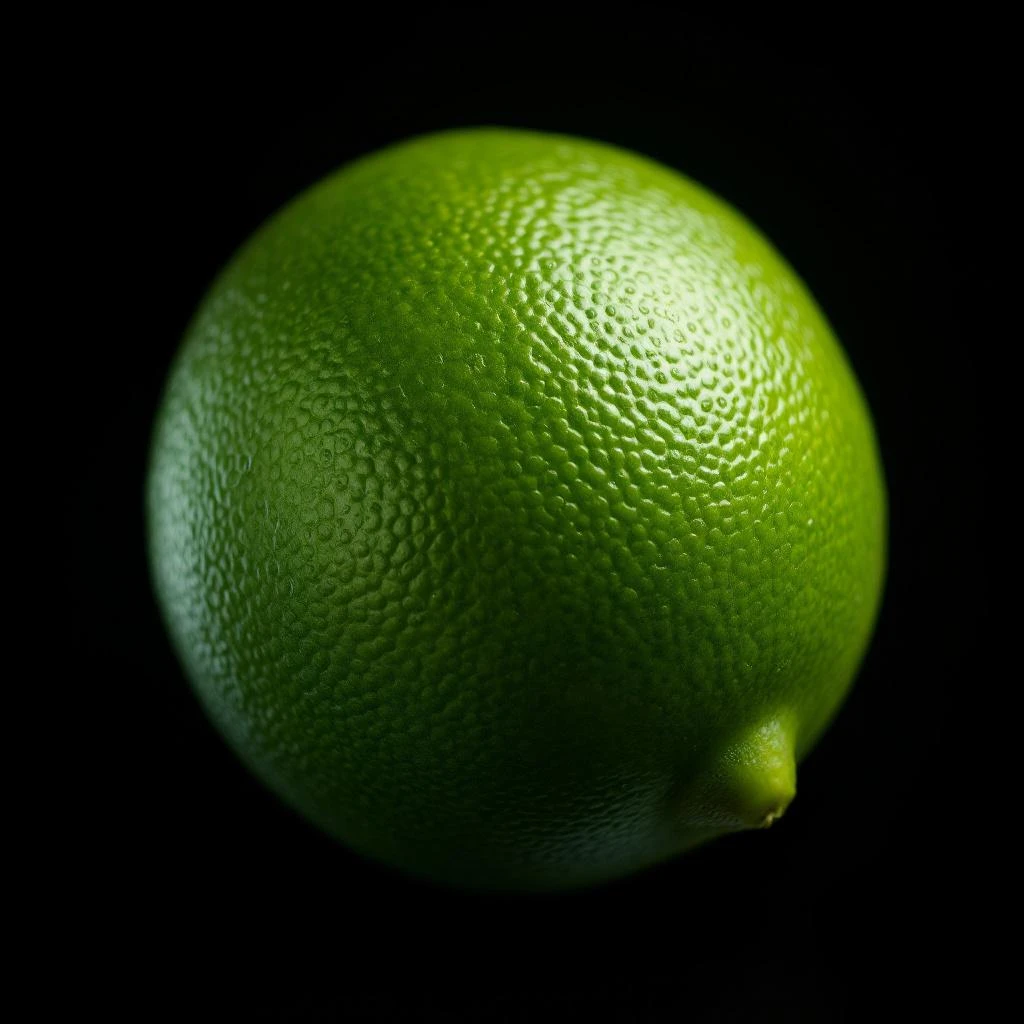
The citrus opens sharp and fast. Amalfi lemon and lime hit at once, bright as someone entering a room with purpose. Within minutes, the lemon starts to soften and the apple becomes visible, green and tart beneath the sparkle. At the ten-minute mark, the heart has fully arrived. Praline and peony take over, carrying the candied apple note that gives the fragrance its identity. The sweet, edible warmth of praline intertwines with the soft, powdery romance of peony, and together they wrap around the apple note, giving the heart a lush, youthful quality. This heart holds for a considerable time, with the sweetness lingering deliberately rather than fading quickly. The drydown is where the composition settles. Apple tree bark, Virginia cedar, and balmy musk arrive quietly, settling against the skin without projection. What lingers is warm and skin-close, not filling a room.
Cultural Impact
Nina found a devoted audience among younger wearers and those new to fragrance, praised for its wearability and consistent day-long performance. The modern fairytale positioning, candied fruit, playful sweetness, green freshness, connected with a generation that wanted something lighter and more approachable than the house's classic florals. Rated consistently high for scent quality and longevity, it became a staple for those who wanted a fruity-gourmand fragrance without the heaviness that often comes with that category.
The House
France · Est. 1932
Nina Ricci is a Parisian fashion house founded in 1932 by Italian-born designer Maria "Nina" Ricci and her son Robert Ricci. The house began as a couture salon on Rue Haussmann, quickly establishing a reputation for refined, feminine gowns with romantic sensibility. Robert established an in-house perfume division in 1941, though the first fragrance would not arrive until 1946. That inaugural scent, Coeur Joie, marked the beginning of a partnership with Lalique that would define the house's olfactory identity. The house introduced its most celebrated fragrance, L'Air du Temps, in 1948, a scent that remains in production decades later. Puig acquired Nina Ricci in 1998, bringing the house under the same ownership that manages Carolina Herrera and Jean Paul Gaultier. Today, the fragrance collection spans from timeless classics to contemporary offerings like the Nina line, maintaining the house's commitment to feminine elegance.
If this were a song
Community picks
Playful, bright, and built for the afternoon. This playlist captures the youthful energy and candied sweetness of Nina, the kind of songs you'd hear at a gathering where everyone's laughing too loud and the light is golden. Youthful optimism without irony. Glamour that doesn't take itself too seriously. Think: the soundtrack to a moment that feels like a first, every time.
New Romantics
Taylor Swift