
The Story
Why it exists.
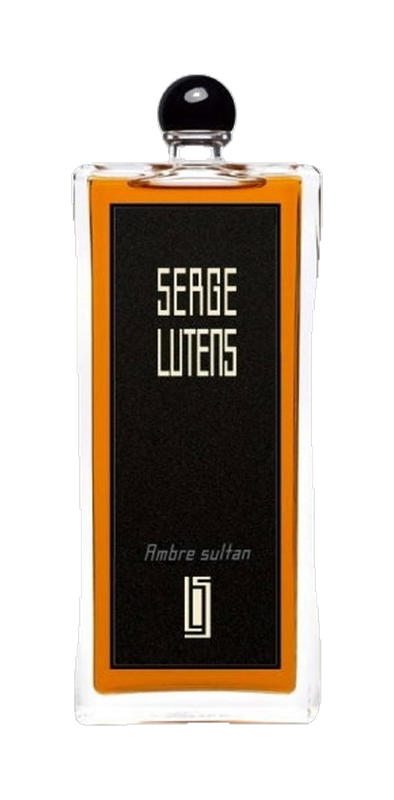
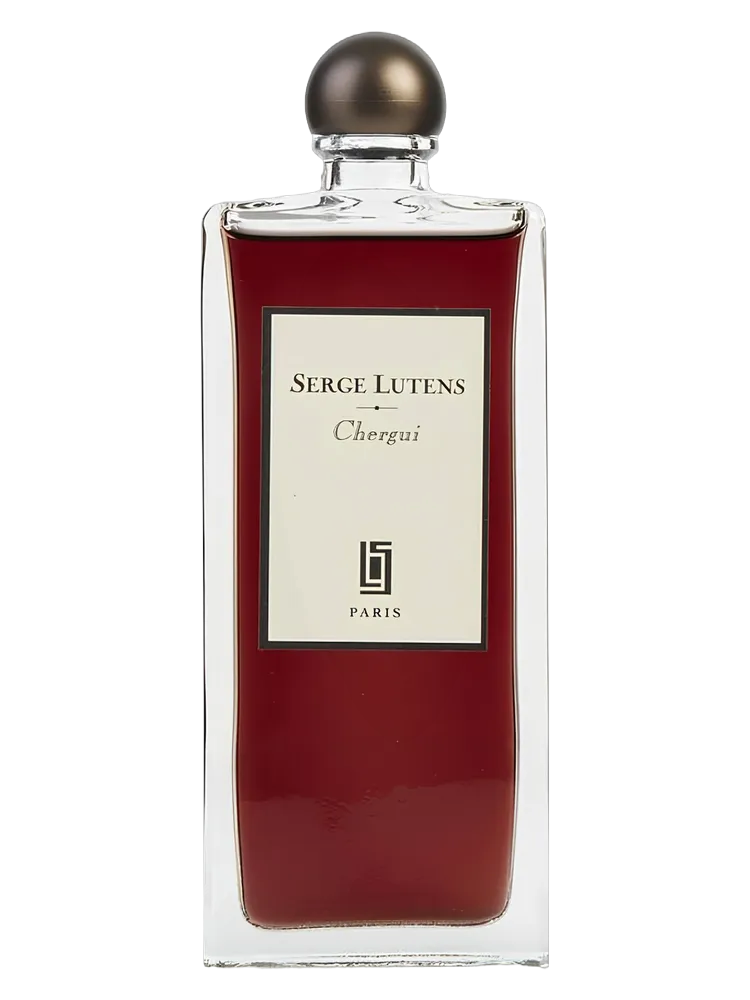
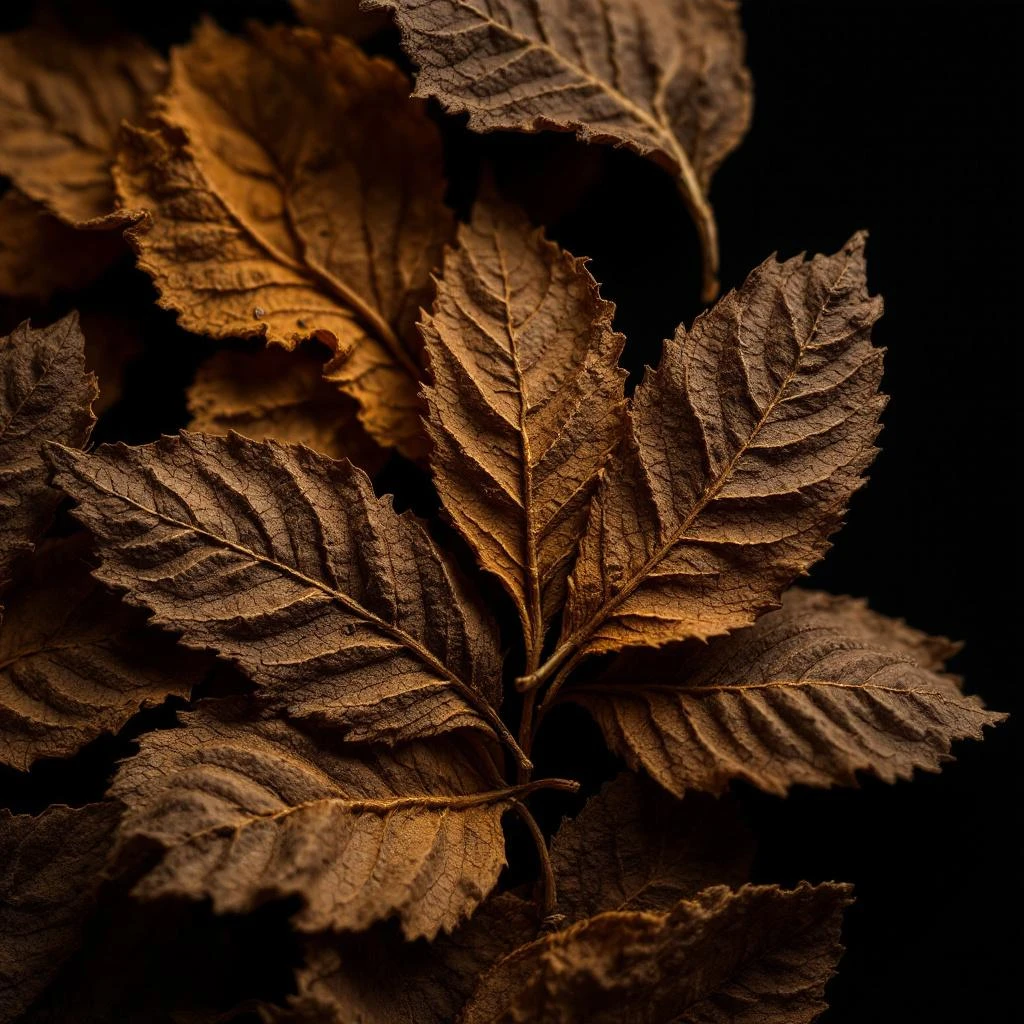
Chergui is named for the hot, dry wind that sweeps across Morocco from the Sahara, the kind of wind that strips the landscape bare and leaves heat hanging in the air like something felt rather than seen. That wind became the metaphor for a fragrance that doesn't blow so much as it pulls, drawing the wearer into dust, warmth, and the memory of light. The collaboration translated meteorological poetry into something you can wear: a warm oriental built on contrast, where honey meets hay and smoke meets softness. The interplay of sweetness and dryness creates an unexpected tension, the kind that keeps a fragrance interesting long after the first spray.
If this were a song
Community picks
Hashish
Ibrahim Maalouf
The Beginning
Chergui is named for the hot, dry wind that sweeps across Morocco from the Sahara, the kind of wind that strips the landscape bare and leaves heat hanging in the air like something felt rather than seen. That wind became the metaphor for a fragrance that doesn't blow so much as it pulls, drawing the wearer into dust, warmth, and the memory of light. The collaboration translated meteorological poetry into something you can wear: a warm oriental built on contrast, where honey meets hay and smoke meets softness. The interplay of sweetness and dryness creates an unexpected tension, the kind that keeps a fragrance interesting long after the first spray.
The note structure plays opposites against each other and refuses to pick a winner. Honey brings sweetness; hay brings dryness. Incense brings smoke; iris brings powder. Rose shouldn't work between tobacco and amber, but here it does, holding the middle ground between warmth and florals like a bridge made of memory. This is the tension that makes Chergui interesting. It smells warm, but not heavy. Sweet, but not cloying. The honey acts as a connective thread, weaving through the drydown and keeping the composition cohesive long after the opening settles.
The Evolution
The opening arrives in tobacco leaf, dusty, slightly bitter, with honey threading sweetness through it immediately. Within minutes the florals announce themselves. Rose first, then iris, and with the iris comes that powdery warmth some wearers call baby powder. The incense arrives quietly, smoke threading through the florals without overwhelming them. The hay note anchors everything, keeping the composition from going too sweet or too soft. By the drydown, amber takes over as the main character, warm and candied, with sandalwood's creaminess wrapping around it. Musk stays close, intimate. Some wearers report the powdery iris becoming more prominent as hours pass; others find it fades entirely, leaving only warm wood and skin. The fragrance shifts across its wear, notes stepping forward and retreating based on your own chemistry.
Cultural Impact
Chergui belongs to the Serge Lutens catalogue of warm orientals that resist easy sweetness. The honey-tobacco-hay structure gives it an earthy, dusty quality distinct from the typical amber-vanilla playbook. The rose and iris threading through that base creates a floral presence that feels at odds with the tobacco and hay, and that tension has made it a fragrance people return to. It's the kind of scent that rewards wearing rather than reviewing, the notes revealing themselves differently depending on how long you've had it on.
The House
France · Est. 2000
Serge Lutens reshaped the boundaries of perfumery. A photographer, makeup artist, and image-maker for Christian Dior and Shiseido before he ever blended a note, Lutens brought an artist's eye to fragrance. His house, founded under Shiseido in 2000, offers over 80 olfactory stories that resist easy categorization. These are perfumes that smell like memory, like places, like emotion itself.
If this were a song
Community picks
A slow wind from the desert, warm, carrying dust and the memory of flowers. Honeyed tobacco that smells like a place you've never been but somehow recognize. The kind of sound that makes you lean in closer.
Hashish
Ibrahim Maalouf